From the peace and quiet that has become my sanctuary through meditation, I could observe with clarity. The stillness allows me to watch my emotions unfold without being consumed by them; just like watching waves from the shore rather than being tossed in them. Recent hurt had left its mark, and yes – I did get pulled into the waves of emotion at first. I felt the disappointment, saw myself slipping into familiar perspectives of feeling dismissed and misunderstood. But something was different this time. Thanks to my meditation practice, I noticed when I was getting sucked into these patterns.
I stood at a crossroads. One path led down the familiar spiral of frustration and sadness – a pattern I knew too well from previous hurts. The other path, less traveled but more promising, offered present-moment peace. The choice became clear: I could either be sucked into pain or choose happiness.
Despite feeling dismissed, misunderstood, and disrespected, I found courage in surrender. Not surrender as defeat, but as acceptance – giving myself permission to let go of what I couldn’t control. This wasn’t about dismissing valuable lessons or ignoring genuine emotions. Instead, it was about choosing to be present rather than dwelling in past hurts.
I realized something powerful about past hurts – they only exist in our memory now. The actual moment of hurt has already passed. What I’m feeling in this present moment isn’t the hurt itself, but my mind’s echo of it. The experience that caused such pain isn’t happening right now; it’s my thoughts about it that keep it alive.
From my place of clarity, I could see that dwelling in past hurts is like watching the same painful movie over and over in my mind. While the original experience was real, my present moment is free from it – unless I choose to replay it. Each moment offers a new beginning, a chance to choose peace over replaying pain.
Sometimes this choice feels hard. These patterns have a pull, trying to drag me into darkness very stealthily. I have found a simple anchor to help myself out: to breathe and ask myself, “Is everything good right now, in this very moment? “ Right here, right now, in this breath, things are actually okay.
My meditation practice helped me understand: the present moment is always free from past hurts. It’s our thoughts about the past that create constant suffering. When I truly grasp this, I can choose to rest in the peace of now rather than reliving what’s already finished.
What I’ve learned is profound yet simple:
I can control my responses, not others’ perceptions
Peace doesn’t require others’ validation
Being gentle with myself isn’t weakness – its wisdom
My happiness needn’t depend on circumstances I can’t change
Most importantly, choosing my mental peace isn’t selfish – its necessary. I don’t have to sacrifice my well-being to maintain harmony or satisfy everyone else’ expectations.
My mental well-being matters. I don’t have to bend myself into uncomfortable shapes to accommodate situations beyond my control. Like a river finding its natural course, I can flow with what feels organic and true to my nature.
I have learned to listen to the voice in my heart that guides me toward what feels best for me. There’s a difference between being accommodating and bending backwards at the cost of my peace. I choose to go with the flow of what feels natural and organic, even if that means some relationships or situations might need to shift.
In this moment of clarity, I feel free. There’s no judgement to give or receive. Life flows through me like a river, and I’ve chosen to stop swimming against its current. I understand that protecting my peace isn’t just a right – it’s a responsibility I have to myself.
Liah had just turned fourteen, and nothing in her world felt right. Her drawings were the only things that made sense anymore; everything else seemed wrong. School was tough, her parents just didn’t understand, and lately, even the sunshine bothered her.
She fell into a vicious cycle: the more she complained, the more unhappy she became, the more she withdrew from others. Making friends became increasingly difficult.
It was almost summer break, and she was looking forward to visiting her grandmother. Her grandmother lived a few hours away in a quaint town. Her grandmother had a gentleness about her that Liah always found comforting.
Liah’s grandmother lived alone in a small house. Her house was simple and minimalistic. Being an avid gardener, she enjoyed growing herb plants in her kitchen. Her backyard was a beautifully tended garden – where she grew everything from roses to potatoes. She also had pet fish in a small outdoor pond. Since Liah was little, their special bond had grown through these quiet moments in the garden, watching and feeding the fish and nurturing the plants.
The first weekend of summer break arrived, and Liah eagerly packed her bags, looking forward to seeing her grandmother. Her parents drove her through the winding country roads and as they pulled up to the familiar white house with its beautiful garden, Liah could see her grandma waiting for her. Liah ran and gave her grandma a big hug. Her parents came home and stayed that night and left early next morning.
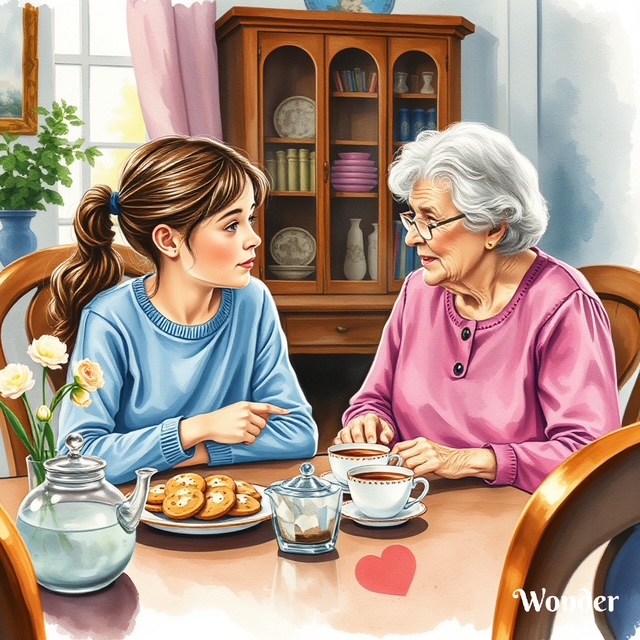
That evening, over cups of chamomile tea and homemade cookies, Liah found herself opening up to her grandmother. They sat in the cozy kitchen, where the fading sun cast warm shadows through the window.
Her grandma listened quietly, her gentle eyes encouraging Liah to continue.
“Everything makes me so angry lately”, she confessed, staring at her tea.
“Mom asks how my day was, and I just… snap at her. Dad tries to help me with homework, and I tell him he doesn’t understand anything.”
Her grandma listened quietly.
“The worst part is”, Liah’s voice shaking slightly, “I know they are trying to help. I can see it on their faces when I yell or slam the door. But at that moment, I can’t stop myself. It’s like… something takes over, and later I feel terrible about it.”
“And then”, she continued, picking a cookie without eating it, “Mom leaves little notes in my lunchbox or Dad offers to take me out to a movie, and I feel worse because I was so mean to them. But the next time something happens, I get angry all over again.”
She looked at her grandma, with tearful eyes.
“What’s wrong with me, grandma? I am unable to make friends too.”
Her grandmother reached across the table and held Liah’s hand.
“Nothing is wrong with you, my dear. You’re fourteen, and these feelings… they are like waves sometimes. I remember those days. Everything was so intense, so overwhelming.”
“You felt this way too?”, asked Liah surprised.
“Oh yes”, her grandmother smiled softly. “And that’s why I want to share something with you… something that helped me when I was your age.”
Her grandmother got up and walked to an old wooden cabinet, pulling out a beautifully painted ceramic bowl.
“This is my gratitude bowl.”, she said, running her fingers along the rim.
“When I was your age, I went through difficult times too. My grandmother gave this to me and asked me to write at least 5 things I was grateful for – no matter how small – and put them in this bowl, and I did. My notes would be about the warmth of sunshine, seeing a dancing butterfly, the smell of freshly baked cookies or a kind word from a friend. It helped me, dear.”
Liah picked up the bowl, turning it in her hands.
“Would you like to try?”, asked her grandmother, placing some fresh paper and pen beside Liah.
“Start with just one thing today. What made you smile today?”
Slowly, Liah began to write:
Opening up to grandma
The taste of freshly baked chocolate chip cookies
The cute fuzzy cat I saw in the garden
Summer break
Being here at Grandma’s
As she dropped each note in the bowl, something began to shift inside her – somehow Liah felt lighter, happier. She was surprised she had a lot of things to be happy about despite feeling sad.
“I already feel better, grandma.”, Liah said with a smile and squeezed her grandma’s hand.
“I will practice this.”
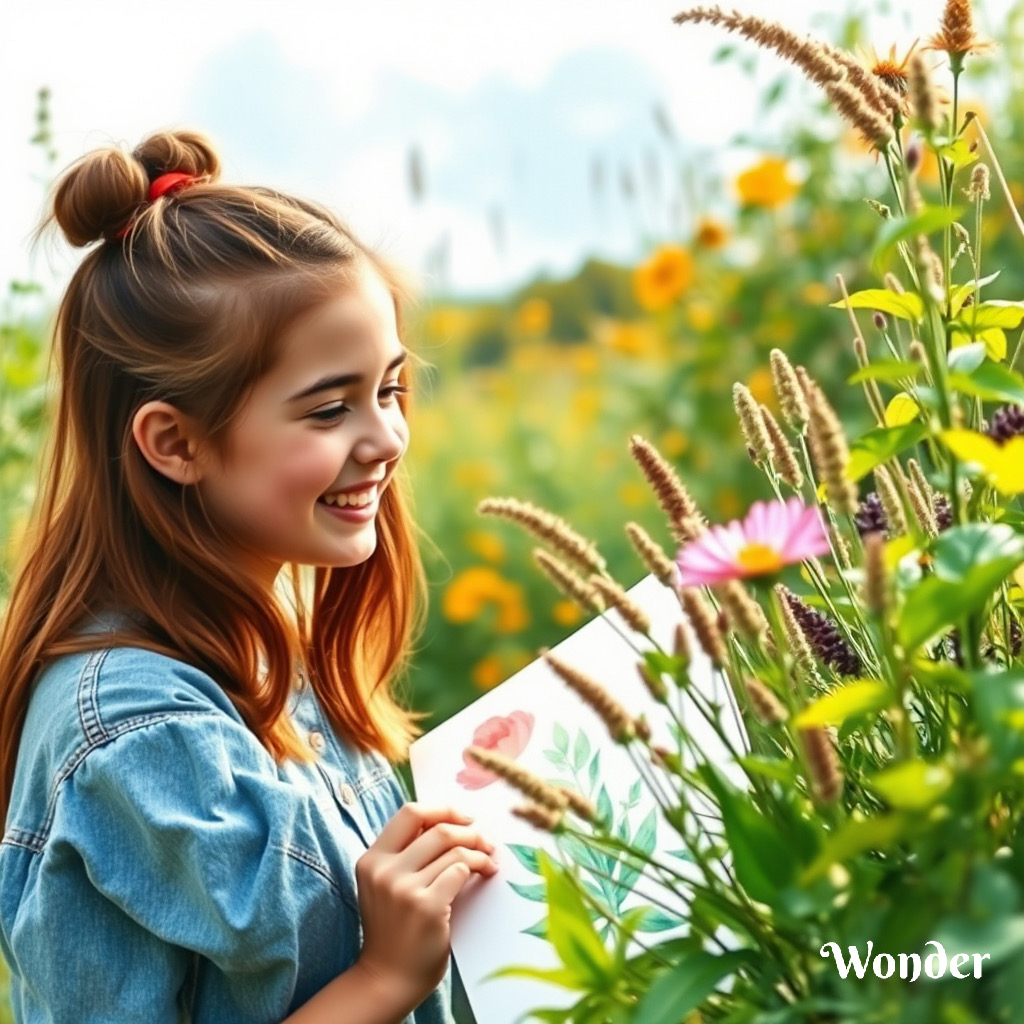
Over the next few weeks, Liah found herself noticing small blessings – the scent of garden roses, a successful drawing, gardening with grandma, watching the orange fish in the pond. With each note she added, she realized something: her days weren’t as empty as she had thought. Good things had always been there – she just hadn’t been looking for them.
When it was time to leave, her grandmother insisted she take the bowl home.
“It’s yours now.”, she said with a warm smile.
Liah hugged her grandmother and promised she will continue the practice.
Liah had placed the gratitude bowl on her desk in her room. She continued to write gratitude notes every day. She began to appreciate little things around her and found there were many things she was grateful for, to feel happy for.
One evening, as her mother placed a cup of hot chocolate beside her, Liah hesitated for a moment, then picked up the gratitude bowl.
“Grandma gave this to me”, she said, smiling at her mother.
“It is helping me a lot, Mom.”
Her mother listened, intrigued, as Liah explained how the simple act of writing down little joys had changed her perspective.
To her surprise, her mother wanted to try it too. That night at dinner, her mother suggested they all share one good thing from their day. At first, it felt just words spoken out loud but soon, it became their favorite part of the evening. A quiet warmth spread their home, unspoken tensions softened, and they began to feel closer in ways they hadn’t before.
Over time, Liah noticed a shift not just in how she felt, but in how others responded to her. She smiled more, and in turn, others smiled back. Conversations felt easier, friendships blossomed naturally, and she felt no longer trapped in the cycle of frustration. The gratitude practice that started as a simple habit had quietly reshaped her world.
Writing Down Gratitude: Why It Works
When we write down things we’re thankful for each day, it helps us in several ways:
First, it makes us pause and notice. Instead of rushing through our day focusing on what’s wrong, we take a moment to spot what’s right – maybe it’s a good meal, a kind word, or just a peaceful moment.
Second, it changes how our brain works. Just like Liah discovered, looking for good things becomes a habit. Even on difficult days, we get better at finding small positives – not to ignore problems, but to remember that good and bad can exist together.
It’s especially helpful when we’re feeling down or stressed. Reading through old gratitude notes reminds us that we’ve had good moments before and will have them again. These written reminders become powerful when our mood tries to tell us everything is wrong.
The Science Behind Gratitude Practice
When we regularly write down what we’re grateful for, our brain actually changes in several important ways:
Brain Chemistry: – Increases dopamine and serotonin – the “feel-good” chemicals – Reduces cortisol – the stress hormone – Activates the hypothalamus, which regulates sleep, appetite, and mood
Neural Pathways: – Creates new neural patterns, helping us spot positive aspects more easily – Strengthens these pathways through repetition, making positivity more automatic – Reduces our natural “negativity bias” (our brain’s tendency to focus on threats and problems)
Mental Health Benefits: – Improves sleep quality by calming racing thoughts – Reduces anxiety by shifting focus from worries to present moments – Helps manage depression by providing evidence of good experiences – Enhances emotional regulation – making it easier to handle stress
Research shows that consistent gratitude practice for just 21 days can: – Improve overall mood – Increase optimism – Enhance decision-making abilities – Boost problem-solving skills – Strengthen resilience during challenges
Just like physical exercise strengthens muscles, regular gratitude practice strengthens our brain’s ability to notice and appreciate positive aspects of life. This doesn’t eliminate problems, but it helps build mental resources to handle difficulties better.
In Liah’s case, her gratitude practice didn’t change her circumstances, but it changed how she experienced them. She became more aware of the love in her life, the small joys she had overlooked, and in doing so, found a sense of peace that had felt out of reach before.
Once upon a time, in a distant realm, there was an enchanting forest. The forest, home to evergreen trees, birds of many kinds, animals, and insects, sang with beauty, happiness and mystery in its full splendor.
Tall and ancient sequoias, which had lived for thousands of years and stretched endlessly to the sky, were the eldest guardians of this forest. All the beings in the forest believed their emerald crowns could touch the heavens and sing praises of the Creator. These giants bore the wisdom of ages, having witnessed the first of many creations in the forest. Their massive trunks symbolized strength, their firm roots on Earth showed their humility. These humble giants knew every flower that bloomed, every bird that sang and understood all languages of the animals, insects and birds. All beings in the forest called them “the elders” and revered them with love and admiration.
Among these giant sequoias, Eirene was the forest’s eldest guardian. At over 4000 years old, Eirene stood tallest and wisest. On full moon nights, the whole forest gathered at her feet, where Eirene would sing songs of creation, of love, and of divine purpose.
On one such night, Eirene sang – her voice soft as rustling leaves, while all the beings listened with reverence and open hearts.
Bumble bees buzzing on golden daisies Butterflies hovering on delightful pansies Fireflies glittering in evening’s glow Dragonflies hovering in starlit snow Thank you, God, for your beautiful artistry
Zebra galloping swift and strong Deer leaping with graceful joy Monkeys swinging between trees in glee Majestic lions roaming wild and free Thank you, God, for your strength divine
Woodpeckers drumming on sturdy tree bark Owls hooting tales through moonlit dark Hummingbirds dancing with whirring wings Sparrows greeting morning as they sing Thank you, God, for this heavenly chime
Red and white roses in bloom, their passion unfold White jasmine’s intoxication, a treasure to behold Gardenia’s creamy petals whisper deep forest essence Lavender purple, calming peace in twilight presence Thank you, God, for each fragrant prayer
Nature’s symphony – wind, water, song Whispers of hidden stream that gently hum along Distant roar of waterfalls, reminding of a thunderous rain Cool breezes dancing to ease summer’s strain Thank you, God, for Earth’s eternal hymn
Listening to Eirene’s deep and soothing voice, Reya felt peace settle in his heart. Gratefully, he touched his chest with his wings, a tear dropping from his eyes. Majestic and watchful, he perched on Eirene’s ancient branches, his yellow beak shining like shimmering gold. His sharp yet gentle eyes gazed at his family nest, where his young chicks slept peacefully.
Reya had immense gratitude for the forest. In the shelter of Eirene’s roots lay the beginning of Reya’s story – an egg tossed by a mighty storm, found and protected by the entire forest. Eirene felt motherly towards this egg and whispered to her forest friends, who kept the precious egg warm and safe. When the chick hatched, Eirene named him Reya, and the forest became his first teacher.
The forest creatures became Reya’s family, each teaching him in their own way. The sparrows shared their joy of flight, the lion taught him courage in silence, and Eirene, with her ancient wisdom, became more than a teacher – she became the mother his heart needed.
As seasons passed and Reya watched his own chicks grow, a quiet sadness became to stir his heart. Each night, as the forest settled into darkness, questions about his past surfaced. Even surrounded by so much love, there was a gentle ache he couldn’t quite name – especially when he watched his little ones nestled close to their mother.
One day, Reya sat quietly on his branch, deep in thought.
Eirene noticed the sadness in Reya’s eyes and asked:
“What is in your mind, Reya?”
With his eyes lowered, Reya said:
“My heart overflows with gratitude for all I have received. You have been more than a guardian, Eirene – you and the forest have been the family I needed. You taught me not just how to live, but how to understand the Creator’s Love.”
Reya paused.
Eirene said gently,
“That is the Will of God. He wants you to be happy and ensures you get the help you need. We were just His instruments, doing what we were meant to do. Every forest creature who helped raise you was His way of holding you close. He speaks to us through the love we share. I am grateful to Him that you are grateful, my dear Reya. But tell me, what is troubling you?”
Reya looked away.
“I am grateful for everything, but lately my heart feels heavy. When I see my chicks with their mother, I can’t help but wonder about my own parents. There’s a darkness inside me I can’t shake, even though I know I should feel only gratitude. Please forgive me.”
“And, if it is in His Will that I must be happy, why does my heart still ache?” Reya asked softly.
Eirene looked at Reya with kindness as a gentle breeze stirred the air. She spoke softly,
“My dear Reya, what you’re feeling isn’t wrong. Missing your parents while being grateful for your present life – both can exist together. ”
She paused before continuing,
“The Creator gave us free will because love cannot be forced. Each challenge – each life facility – is an opportunity to choose love again. Your sadness isn’t a failure, Reya. It’s part of your journey home to Him.
Life gives us challenges – what I call life ‘facilities.’ Each difficulty is an invitation to grow closer to the Creator. Your sadness about your parents is one such ‘facility,’ a chance to deepen your understanding of true love.
My dear Reya, our Creator speaks to us from our hearts. Beneath every voice that guided you, behind every act of love from our forest family, there has always been one true Parent – our Creator. Listen to Him. When we surrender to His love, joy and peace follow.
As you meditate, you hear His voice more clearly, and you realize He is with you all the time and only we choose to move away from Him due to our own busyness and wants. The act of surrendering ourselves to Him and living each moment completely in the present brings us joy and peace. We act out His Will as we surrender to Him. It is a joy that needs to be experienced. Do not worry, Reya. I will pray to Him for your peace.”
Eireen smiled and closed her eyes for a moment in a heartfelt prayer. When she opened them, the sun was setting, painting the sky in blazing orange and soft pink. The birds chirped joyfully as they returned to their nests, bringing a sense of calm to the forest.
Eireen looked at Reya with gentle kindness and said,
“Reya, just touch your heart. Smile to your heart with the same happiness you feel when you see your chicks. Feel the gratitude. When you feel naturally at peace, close your eyes and meditate. Remember, our Creator has given us everything in this moment. Ask Him for faith, for trust. Pray to him wholeheartedly, Reya. He is always listening to you and helping you.”
Eirene closed her eyes and continued,
“Thoughts are like a web. The more we think, the more we become trapped, like a little fly. The only way out is to relax, smile and touch our Heart. Feel the Love. That Love will free you from your thoughts.”
Reya with tears in his eyes and a heart full of gratitude, said,
“Thank you Eirene. Thank you for listening to me. I feel much lighter. I will do as you say.”
With that, Reya closed his eyes and touched his heart with his wings and sat in deep silence.
Days passed, and Reya meditated each morning and evening. Slowly a gentle peace began to settle with him.
One morning, while flying far from his nest to gather food for his chicks, Reya felt something in his heart – a quiet but clear voice urging him to return home. Without hesitation, he turned back immediately.
As he approached the forest, he saw smoke rising above the trees. He flew towards the danger and discovered flames spreading through the forest. He found young birds trembling in their nests, unable to fly. Without a second thought, Reya began gathering them on his strong wings, carrying them to safety.
Flight after flight, he returned to the flames, rescuing as many as he could. The heat scorched his feathers, and his wings ached, but Reya kept going. He guided smaller creatures to shelter and refused to rest until every creature he could find was safe.
When the fire finally subsided, Reya sat quietly on Eirene’s branches. His body was tired, but his heart was light and content.
“How did you know to come back?”, asked a young sparrow that he had rescued.
Reya was silent for a moment before answering with deep gratitude,
“I heard a voice in my heart. It guided me to save our forest family. It was the voice of our Creator.”
Eirene, who had stood strong through the fire, spoke softly.
“You see, Reya, our Creator’s Love flows through our actions. Today, you were His instrument, just like when the forest creatures were His arms of protection for a lost egg.”
Reya looked at his wife and his sleeping chicks, safe in their nest. He understood now – his story wasn’t just about living but about living with purpose: to serve the Creator and extend love to others.
That night, Reya felt complete. His meditations have prepared him to trust the quiet voice of love within his heart. Reya was finally at peace, knowing his true Parents have been with him all along, residing in his heart.
As all the forest settled into a peaceful evening, Eirene sang in joy:
Praise to You, our Creator of Peace Praise to You, our Creator of Joy Praise to You, the most Powerful Praise to You, the Gentlest Praise to You, the True Source of Unconditional Love
Thank you for giving us all we need without us having to ask Thank you for being the voice in our hearts, guiding us to our True Home Thank you for forgiving us for our mistakes Thank you for healing us Thank you for loving us unconditionally
Praise to You, our Creator of Peace Praise to You, our Creator of Joy Praise to You, the most Powerful Praise to You, the Gentlest Praise to You, the True Source of Unconditional Love
The sky bursts into magnificent shades of orange and red, like flames dancing across the clouds. City buildings stand dark against the brilliant sunrise, their silhouettes sharp and strong. Against this stunning backdrop, Ann stands at her balcony with her precisely made coffee: two specific spoons of instant coffee from different brands, mixed until they create the perfect foam and topped with exactly half a cup of frothed almond milk. These careful rituals have become her anchor in a world that feels increasingly overwhelming.
Nature’s Messengers
On the Eastern Redbud tree overlooking her balcony, four of God’s messengers gather as they do every morning. Their daily ritual of watching over Ann has become their own sacred practice.
“Another beautiful sunrise,” Zeo, the yellow butterfly with blue stripes, whispers as she settles on a branch. “Each new day is a chance to share God’s love.”
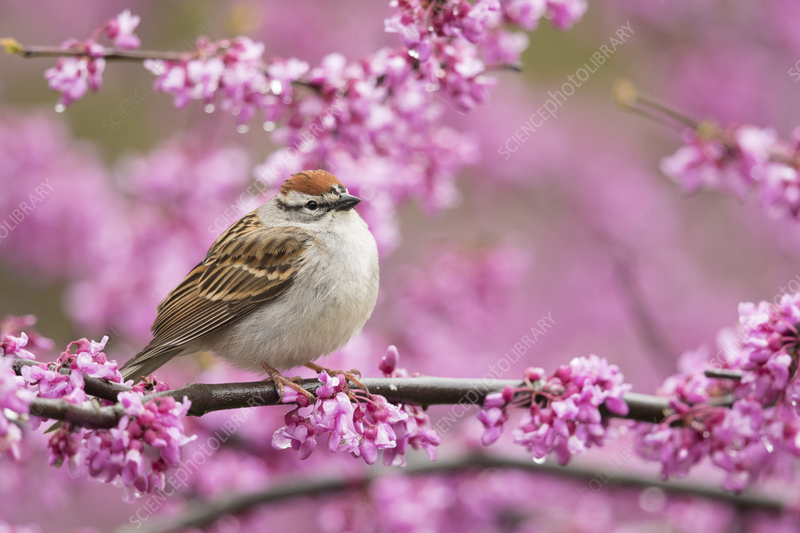
“Ann seems more tired today,” Pip the sparrow observes gently, tilting his head. “I’ll sing an extra sweet song this morning – sometimes a single note of joy can lift a heavy heart.”
“We must be patient,” Luna, the grey moth, shares from her quiet corner. “Just as God waited for me to understand that beauty exists in darkness and light, Ann will find her way. Until then, we’ll keep her company in our own ways.”
Rio, the hummingbird, pauses between visiting flowers. “Every bloom I touch is a prayer,” she hums. “Each flower blossoms exactly as God created it – offering its unique gifts with joy, whether it’s color, fragrance, or sweet nectar. They don’t compete or compare; they simply bloom and share God’s love in their own perfect way.”
The Silent Watchers
They watch as Ann puts on her noise-canceling headphones, blocking out their messages of hope. Yet they remain faithful to their purpose, these small angels in nature’s garden. Her golden lab, Tuffy, shares their mission in his own way. During their walks, while Ann hurries along with her headphones firmly in place, Tuffy feels the grass beneath his paws, catches the scent of morning dew, and notices every squirrel and butterfly. He never grows impatient with her hurried pace; he simply keeps offering these moments of joy, trusting she would notice when she’s ready.
The Awakening
Then one morning, halfway through their walk, Ann’s headphones die unexpectedly. The sudden silence feels like a shock. Frustrated, she removes them, and that’s when Pip sees his chance. He flies closer than usual, singing the song he’s been practicing just for her.
“Listen,” he seems to say, “God’s love is in every note.”
For the first time, Ann really hears the chorus of morning songs weaving through the air. She finds herself smiling, surprising herself. She notices the way sunlight filters through leaves, the gentle sway of trees in the morning breeze, the different pitches of birdsong.
The Journey Begins
The next day, though her headphones are fully charged, she finds herself removing them halfway through her walk, curious to hear the birds again. Walking along the trail, she finds comfort in the gentle presence of trees lining both sides of the path. Beneath their canopy, she feels her shoulders relaxing, her steps becoming lighter. She notices how the morning light filters through the leaves, creating patterns that dance with each breeze. Something about being among these quiet giants brings a peace she hadn’t known she was missing.
Each day, she starts looking forward to these moments of quiet discovery. What begins as a simple week-long experiment slowly changes something deep within her. Walking among the trees, she feels a subtle energy, as if their very presence is nurturing her spirit back to life.
The Transformation
Gradually, Ann’s carefully structured routines begin to soften. Her morning coffee ritual remains, but instead of immediately reaching for her headphones, she finds herself lingering on the balcony, watching the day unfold. From their branch on the Redbud tree, the four divine friends watch her transformation with joy.
“See how she notices the small things now,” Zeo flutters with excitement. “Just as God’s love appears in unexpected moments.”
“She’s learning to be still,” Luna observes. “Like how evening shadows teach us that rest is also part of God’s plan.”
“And look how she takes time with each flower now,” Rio adds, “finding sweetness in the present moment, just as God intended.”
Finding Joy
Pip’s morning songs become Ann’s natural soundtrack, more soothing than any musical album. The hummingbird’s focused dance among her flowers shows her how to be present in each moment. Her evening walks with Tuffy change too. She begins to match his unhurried pace, letting him stop to investigate interesting smells, watching how he approaches each moment with fresh curiosity. She begins to appreciate Tuffy’s innocence, unconditional love and finding joy in the simplest moments. The setting sun paints the sky in soft colors, and sometimes Luna flutters past, reminding her that beauty exists in all forms, at all hours.
The Inner Voice
One morning, as Zeo makes her daily visit, Ann realizes something has shifted within her. The heavy feelings haven’t disappeared entirely – they’re part of her journey – but they no longer feel like walls closing in. Instead, like the butterfly that returns despite rain or wind, she has found a quiet persistence within herself.
“Each flower gives what it has,” she hears a voice deep within her heart. Each flower, each bird, each creature has its own way of sharing love with the world. No one better than another, each one perfect in its own right.
Coming Home
As days pass, Ann’s awareness deepens. She begins to realize that these creatures are more than just chance encounters – they’re messengers of divine love, each offering their unique gift. Zeo brings reminders of joy’s persistence, Pip shares songs of morning hope, Luna shows the beauty of quiet presence, and Rio demonstrates how to find sweetness in each moment.
She realizes something profound: she has never truly been alone. All along, she’s had these beautiful companions – the trees offering their steady presence, the birds sharing their songs, the flowers blooming faithfully, and even Luna appearing in the evening hours. She can talk to them, share with them, find comfort in their constant presence.
Together, they form a small choir of God’s love, and Ann has finally joined their song. Now, as she sits on her balcony each morning, coffee in hand and heart open to their presence, she hears the divine melody that has always been there, waiting for her to listen.












 lotusheartgrateful.com