The Unseen Terror – A Child’s Experience of Abuse and Neglect

The sound of screaming reverberated through the walls of the house as 5 year old Annie ran up to the terrace cowered in terror, trying to stay as quiet and still as possible. She had seen it so many times before; her father’s rages and her mother’s desperate pleas for mercy. She had learned to make herself invisible, to pretend that it wasn’t happening. She had developed a survival mechanism of pretending that all was fine; where she would play on her own alone in the terrace, speaking and singing loudly to herself in the hopes of not hearing the abuse and cries. 

Annie would later stealthily walk her way back to her room and crawl up to her blanket to try to comfort herself to sleep, after what seemed like an eternity. The silence following the outburst was unnerving. The air felt thick and heavy, as if the room was filled with something that couldn’t be seen.

At times she found her father had left for work after the abuse and she had felt nothing but an overwhelming sense of relief.

All Annie needed was her parents to hold her, cuddle her, and let her know everything was fine and nothing was her fault. However, her parents were so deep in their own pain and anger, leaving Annie confused and scared. 

As Annie grew older, Annie found it increasingly difficult to trust people and form meaningful relationships. She was very selective in friends. She was constantly on guard. Her parents had taught her that love was equated with pain, so she kept most people at a distance. Annie’s past trauma had a lasting effect on her into adulthood. She struggled to manage her emotions, often feeling overwhelmed and powerless. She often felt like a victim, unable to control the events that were happening around her. The feelings of insecurity and mistrust followed her throughout her life, leaving her feeling isolated and alone.

The trauma experienced by children who witness physical abuse and experience neglect can be severe and long-lasting. It can lead to a range of long-term physical, psychological, and social problems. These can include, but are not limited to, physical bruises and injuries, anxiety, depression, post-traumatic stress disorder, and other forms of psychological trauma. Children who witness physical abuse may experience intense fear, guilt, and shame, as well as feelings of helplessness and powerlessness. They may feel that they are to blame for the abuse or that they should have been able to prevent it. They may also experience difficulties with trust, intimacy, and relationships. In extreme cases, they may even become abusers themselves.

Cognitive-behavioral therapy (CBT) is a common and effective treatment for adults with childhood trauma, particularly those who have witnessed abuse. CBT focuses on identifying and changing unhealthy thought patterns, behaviors, and reactions to stressful situations. It is often used in combination with other therapeutic interventions, such as psychodynamic and trauma-informed therapies. CBT can help individuals gain insight into their own behavior and learn skills to effectively cope with stress. In addition, CBT can help individuals to become more aware of their triggers and feelings, and how to manage them in a healthy way. CBT can also help individuals develop healthier relationships and communication skills.

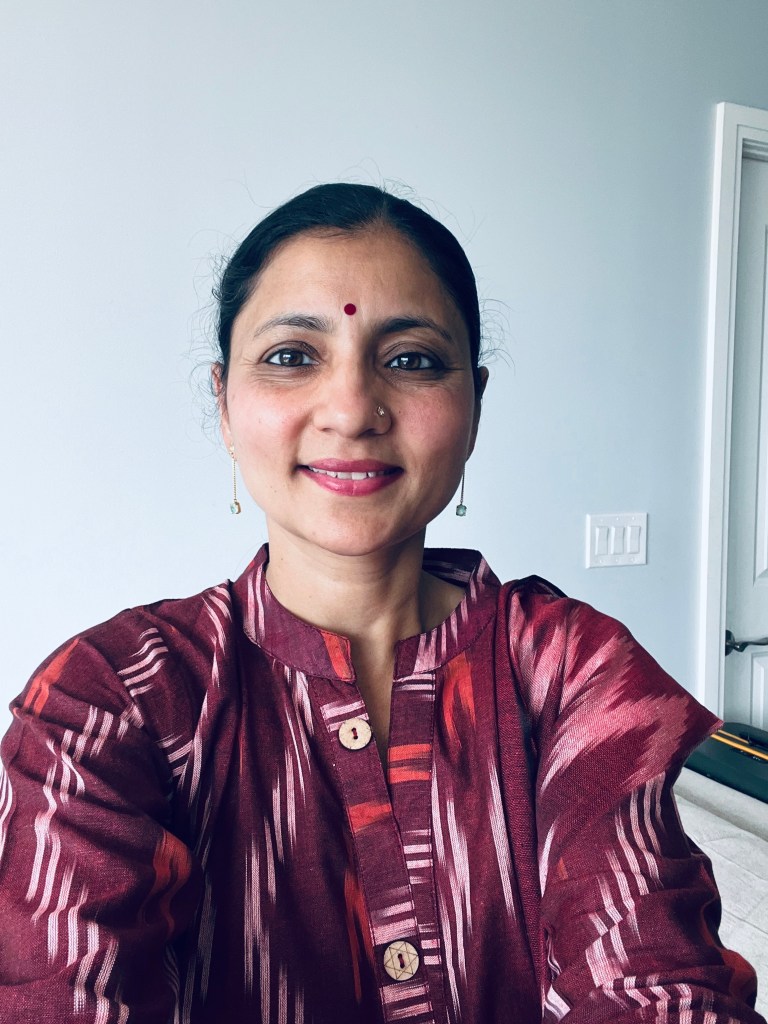
Hi, I am Sujatha..

Welcome to my blog about my personal journey for better mental health and happiness!

Hello! I’m Sujatha Bharath, sharing life with my husband and our two wonderful teenage boys. Looking back at my journey over these past years, I’m filled with gratitude for how far I’ve come. From navigating childhood trauma and depression to discovering a deep sense of peace, my path has been one of continuous growth and healing.

Through Open Heart practices, meditation, and daily awareness, I’ve learned to embrace each moment as it comes. The beauty of living in the present has taught me that true joy isn’t about being the center of my own universe – it’s about letting go and allowing life to flow naturally.

My earlier healing journey through physical fitness, nutrition, and meditation laid the foundation for where I am today. Now, I find myself in a space of peace and contentment, where self-awareness has become less about fixing and more about being. The practices that once helped me heal now help me thrive and grow.

This blog has evolved along with me. While it began as a way to document my recovery and self-discovery, it’s now a space where I share the simple joy of present-moment living. I write about the everyday wisdom that comes from staying open-hearted and the freedom that comes with letting go.

I still believe in living authentically, but I’ve discovered that authenticity isn’t something we chase – it’s what remains when we stop holding on so tightly to who we think we should be. I hope that by sharing these insights, I can connect with others who are on their own journey of opening their hearts to life’s possibilities.

Thank you for being part of this continuing journey of growth, awareness, and joy.