Growing up, my early childhood was filled with quarrels and fights that felt extreme. I was around people who weren’t who they seemed to be – who changed depending on the situation. As a child, it was deeply confusing. I carried hurt that wasn’t mine to carry.
What developed for me was this: any kind of disharmony meant panic. If someone had issues with my intentions, I would think that was the end. I could not be close to them anymore.
So, I lived between two extremes. Sometimes I’d give in completely, bending backwards to keep someone happy, losing myself to keep the peace. Other times, when I finally couldn’t take it anymore, I’d have to cut people off completely. Both came from the same fear – that disharmony was something dangerous, something to guard against.
Growing up, I’m realizing something.
I am grateful to have people who love me. Here’s what I realize: everyone is different. We’re bound to clash sometimes, to not see eye to eye. Having disagreements is normal – it’s even healthy to voice them. The love stays despite them. Feeling confident in that – not apologetic or angry about it – changes everything.
When disagreements come up now, I can actually say what I feel. “I see this differently” or “That hurt me.” Being able to say that – being honest like that – feels like a privilege.
I’m also learning to listen – really listen – to their point of view. That feels like honoring the relationship – making room for both our truths.
This extends beyond just disagreements. Any disharmony – tension, misunderstandings, different needs – doesn’t have to send me into panic anymore. I can stay present with it, notice when I’m overthinking, and come back to what’s actually happening. I can navigate it without losing myself or cutting people off.
I can forgive people from the past, and sometimes that forgiveness includes keeping distance – respecting what’s healthy for me. I can have honest conversations with people who can meet me there. I’m no longer swinging between those extremes.
I’m grateful for this shift. I’m learning that disagreement doesn’t have to mean the end. It can be a chance to truly see each other.
Tuffy, my golden lab, my companion for nine years, taught me something I’m still learning – how to live in the moment, how to love without conditions, how to be childlike without being self-conscious. His recent passing still feels like disbelief. It still feels like he’s gone to daycare while we’re on vacation.
This is what life is teaching us, I feel – to live like dogs do. Fully present, fully joyful, fully here.
With humans, I can’t be that way. I hold back. I perform. I worry about how I’m perceived. But with Tuffy? I could be silly. I could talk in that voice I use only for dogs, sing songs that made no sense, play games that were just ours. I could sit on the floor with him and forget about everything else.
He brought out the childlike part of me I thought I’d lost.
Tuffy didn’t need me the way I needed him. He was content. Emotionally mature. He trusted me. He didn’t need constant affection or reassurance – he just wanted to be near. I was more of a “Velcro” human to him. I’d put his bed wherever I was working, wherever I was doing things. He slept on his bed. I would just feel happy looking at him and calling out to him every now and then. In response, Tuffy would open his eyes or wag his tail, as if to say he loved me too.
And somehow, that was everything for me.
I remember how excited he’d get when I’d take him for walks, how happy he would be to welcome me every time I opened the front door and walked in. He loved bringing his toys to me and to play with him.
And I remember the last time.
Even when he was in pain – on what would be his last visit to the ER, though we didn’t know it then – he waited for me in the garage. My husband was walking with him toward the car, and I had to go back to get something. Tuffy stopped and turned to look at me. He wouldn’t budge. He turned back, waiting for me, looking out for me despite being in pain. I find that so emotional – his love for me, even in that moment. It was a habit he had. He wanted all family members to walk together with him. Not one ahead, not one behind. He found such joy in that togetherness.
What Tuffy taught me goes beyond the grief. He showed me what it means to live in presence – to find joy in simple things, to simply love, to trust without needing proof, to be fully here in each moment.
That’s the lesson. That’s what I carry forward.
Thank you, Tuffy, for teaching me how to live. For showing me what unconditional love looks like. For bringing out the best, most childlike, most joyful parts of me.
You can never be replaced. You will never be replaced.
I’ll honor you through the choices I make from what you’ve taught me. Somehow every time I think of you, I don’t end up feeling sad – rather a smile, a happiness in how you lived, what you taught us, our beautiful times together.
Some people carry grace like a quiet strength, touching the lives around them through simple, daily acts of love. In my husband’s mother – Amma – I discovered a woman whose beauty runs far deeper than what meets the eye, whose generous heart has shaped not just her family but everyone fortunate enough to witness her way of living.
When I first entered this family as a young bride, I was struck by more than just Amma’s natural beauty. There was something in the way she moved through her world – purposeful, caring, always thinking of others before herself. Over the years, what began as admiration has grown into deep respect and genuine affection.
In her, I found a mentor whose actions spoke louder than any words of advice.
The Art of Grace
There’s something almost magical about walking into Amma’s home. No matter when you arrive – whether it’s been planned for weeks or you’ve shown up unexpectedly – everything is immaculate. Not the cold perfection of a showroom, but the warm, lived-in cleanliness that speaks of care and respect.
In those early years of marriage, I was amazed by this aspect of her life. Despite her workload, despite being tired after long days, she ensured her work was done and, most importantly, that her space reflected the care she felt for her family. Her home wasn’t just clean – it was organized with a thoughtfulness that made everything feel intentional.
Over the years, I’ve come to understand her philosophy about our surroundings. The place around us is the one thing we can have control over, and when we keep it with neatness and care, that’s how we respect our space and ourselves.
I watched her live this philosophy every single day. She kept her things organized not out of obsession, but out of love. What I’ve always admired about Amma is her ability to not procrastinate or push things to a later date – she gets things done because she thinks it’s important. This applies not just to keeping her surroundings clean, but to everything in her life. She always dresses very neatly, presents herself with care, and tackles tasks without delay. This is another quality I can see clearly in my husband – he learned from her that important things shouldn’t be postponed.
Every time I visit India, even now when she and Appa are in their later years, I’m still amazed by how neat and tidy their house remains. Despite their age, their home still reflects that same grace and attention to detail.
What amazes me about Amma is her memory – it’s sharper than mine, and I’m much younger than her. She remembers details about conversations, events, and people that happened years ago. She even remembers exactly where things are placed in the house. She recalls exactly what was said, who was there, what was served. Her incredible memory helps her keep track of everyone she loves.
This became one of my greatest inspirations. Through witnessing her actions – never through words of instruction – I learned how keeping our space clean helps our minds feel clearer, more peaceful. I try to follow this lesson she taught me, though I often fall short of her standard of grace.
A Heart That Overflows
If there’s one thing that defines Amma’s approach to life, it’s abundance – not material abundance, but an abundance of heart. This shows most clearly in her kitchen, where no meal is ever planned for just the right number of people.
“It’s better to have more than for someone to have less,” I’ve come to understand this is her philosophy, and I’ve watched her live by this principle for over two decades. When guests come – whether it’s two people or ten – she always cooks extra. Always. I used to think this was just careful planning, but I came to understand it’s something deeper. It’s her way of showing love through provision, of ensuring that no one who enters her home ever feels there isn’t enough.
What moves me most is how she approaches her own needs. Every single day, Amma eats last. After making sure everyone in the family has had everything they need, after serving seconds and checking that everyone is satisfied, only then does she sit down to her own meal. I’ve tried countless times to negotiate with her about this, to convince her to eat with the rest of us, but I’ve lost every single one of these gentle battles.
This generosity extends beyond food. She gives of herself in countless small ways – remembering exactly how her family members like their coffee, ensuring their favorite dishes are prepared, thinking ahead to what might make their visits more comfortable. Her heart overflows with care for those closest to her.
Kitchen Companions
Some of my happiest memories with Amma happen in the kitchen. There’s something special about working alongside her – the easy rhythm we fall into, the way we can cook together without getting in each other’s way. She became not just my teacher but my companion in creating meals for the family.
In those early years of marriage, her kitchen became my classroom. Not through formal lessons, but through watching, trying, and gradually understanding the subtle art of South Indian cooking. Her cooking has so much taste, so much depth of flavor, and I learned by standing beside her, observing how she balanced spices, how she knew exactly when each dish was ready.
What meant so much to me was how she would encourage me when I cooked something she enjoyed. Coming from someone so experienced in the kitchen, her appreciation gave me confidence to keep trying new dishes and flavors.
But our connection goes beyond cooking techniques. We’re both women who love to enjoy life, who find pleasure in good food and good company. What I discovered about Amma is how beautifully spontaneous she is. Many times, in the middle of an ordinary day, I’d turn to her with a sudden idea.
“Would you be interested in going out to eat?” I’d ask, and she would always say yes with such enthusiasm. Off we’d go – two women who shared a love for trying different foods, for the simple pleasure of eating something delicious without having to cook it ourselves.
Amma enjoys chaat – those wonderful North Indian snacks – and South Indian foods with equal enthusiasm. Be it food outings or watching movies together – another common interest we share – these became some of our best bonding moments.
What made our relationship so easy from the beginning was discovering that Amma, despite being from an older generation, wasn’t rigid or overly orthodox in her ways. She was ritualistic, yes, but in a practical way that worked for our family rather than being bound by tradition for tradition’s sake. This was such a blessing for me as a young bride – being someone who also isn’t too rigid or overly ritualistic, I found in her a kindred spirit who valued substance over strict adherence to form.
The Family Keeper
Amma carries the stories of her entire family in her heart. She’s deeply attached not just to her own children, but to the family she married into and her extended family – her brothers and their families. When she speaks of them, which she does often, it’s always with warmth and affection. I’ve never heard her say anything negative about any family member. Instead, she focuses on their positives, their kindness, the ways they’ve touched her life.
Through her stories, I’ve come to know these relatives as real people with beautiful qualities. She remembers all the small things someone has done for her – a thoughtful gesture from decades ago, a moment of kindness during a difficult time. Her gratitude runs deep, and she carries these memories like treasures.
Her love for her grandchildren is something truly special to witness. When my children were young and she and Appa would visit us here, the house would transform with her presence. She didn’t just babysit – she played with them, engaged with them, created a bond that my children still cherish.
I can still picture her playing card games with them, and she brought the same competitive spirit to these games that she had with the adults. She would playfully hide the jokers, keep a perfect poker face, and tease her young opponents with that mischievous glint in her eye. What I loved watching was how she never gave up her competitive edge just because they were children – she played with the same interest and determination, making the games genuinely challenging and exciting for them. She was an expert at card games, and even with her grandchildren, she played to win while making sure everyone had fun.
When they were toddlers, she would spend hours making their favorite pureed foods, taking such care to prepare exactly what they loved. She would sit with them during cartoon time, patiently feeding them spoonful by spoonful, completely absorbed in making sure they were well-nourished and happy and equally enjoying with them their favorite shows. Even now, years later, her first concern when the grandchildren visit is whether they’re hungry. She’ll immediately start thinking of what to cook for them, what would make them feel most loved and cared for.
Her cooking was aromatic, filling the house with wonderful scents. She made sure her grandchildren experienced the tastes and comfort of traditional South Indian foods she grew up with.
Lessons Without Words
The most powerful teachings often come not through lectures or advice, but through quiet examples. Amma taught me about life simply by living hers with such grace and intention.
From her, I learned that cleanliness and organization aren’t about perfection – they’re about creating a peaceful space where love can flourish. I learned that hospitality isn’t about having the fanciest things, but about making people feel genuinely welcomed and cared for.
I can see her influence clearly in my husband – the way he keeps things organized, his natural cleanliness, his attention to neatness. These aren’t traits he consciously learned; they’re simply part of who he is because of the mother who raised him.
Amma has other passions that bring her joy – she loves playing Sudoku and puzzle games, exercising her sharp mind with challenges that keep her engaged. I can see where my husband and children inherited their love for puzzles and mental games.
A Heart Full of Gratitude
As I write this memoir as a birthday gift for Amma, I reflect on the woman she is and the many ways she has touched our family’s life.
What I’ve come to appreciate is how we’ve both grown in our understanding of each other over the years. Family relationships aren’t always simple, but there’s something valuable in learning to honor the good we see in each other.
Amma, as you celebrate another year of life, I want you to know how much your devotion to your children and grandchildren means to all of us. You’ve also been there during my difficult moments, listening with patience and understanding. That quiet support meant more to me than you might know.
I see how lovingly you care for Appa, always making sure he’s comfortable and has everything he needs. I find that very inspiring.
Your son carries your best qualities – your sense of organization, your attention to detail, your love of family. Your grandchildren light up when they remember those card games and the special foods you made just for them.
You’ve shown me what it means to maintain a graceful home, to care deeply for family, and to find joy in simple pleasures like a good meal shared or a challenging game of cards.
On this special day, I celebrate the gift of having witnessed your love for your family over all these years. May this new year bring you continued health, happiness, and many more moments of joy with those you hold most dear.
A Poem for you, Amma
Sweet moments with grandchildren, laughter we share, Your love for adventure takes you everywhere. Amma, you’ve touched our lives in countless ways, A life lived with purpose, a heart full of light.
As you celebrate another year of this beautiful life, We honor the woman, the mother, the wife. May this birthday bring joy, health, and cheer, To someone we cherish and hold very dear.
I must have been quite young, about 6-7 years, when I visited my father’s uncle in Adoni, a small city in Andhra Pradesh. That was the early 1980s, and their neighborhood had rows of small, tiled houses where everyone knew each other. It was a simpler time – not much of city development, just a close-knit community where neighbors seemed to care for each other. Their house was simple – a small house with a tiled roof with just three small rooms: a living room, a small kitchen, and a bedroom. What fascinated me most was the little room on the tiled roof that you could climb up to reach. It felt like a secret hideaway in that modest home.
They didn’t have a bathroom inside the house. Instead, we used the communal street bathroom. As a child accustomed to indoor bathrooms, this was genuinely difficult for me, but I managed. My parents had taught us to adjust gracefully when staying with others, to not make the hosts uncomfortable. They had shown my siblings and me that love and kindness mattered beyond anything.
Adoni Thatha (that’s how I called him) was a happy man who always lovingly addressed me as “Bangaru” (gold). He had this innocence about him and the way he laughed. He had a positivity that even as a young girl, I could feel – perhaps because I had experienced the absence of such warmth before. I felt happier around him and safe.
Looking back, I realize he was the first grandfather figure I felt connected to. Both my grandfathers had passed away before I was born. Even though we did not interact much, the time with him felt like being with my own grandfather.
What I remember most vividly is the Adoni upma that Avva (his wife, grandmother in my language) would make for me. I remember Thatha would rave about this food as it is a traditional food of the city and told me I would love it. He had asked his wife to make this for me. It is my favorite to this day. This south Indian upma was made with puffed rice that was soaked in water and drained. It was made mostly the usual way of making upma but at the end garnished with crushed roasted gram dal and roasted peanuts.
The Parrot with the Broken Wing
One of the most beautiful memories from that visit was a green parrot that Adoni Thatha cared for. This bird had fallen and broken its leg, and I watched how tenderly he took care of it. He kept the parrot in a cage to help it heal. He would take the bird out, wrap its leg with a bandage, and talk to it lovingly. He allowed me to play with the bird, and he would become like a child himself, playing and feeding it.
What touched me even more was learning later – months or maybe years after my visit – that once the parrot’s leg had completely healed, he set it free. This was one of the earliest memories I have of kindness to an animal that stayed with me. Even though he loved the bird dearly, he chose to let it fly away when it was ready. His love for the bird meant wanting it to be free.
Community Friendship
Adoni Avva was equally wonderful. I remember accompanying her as she worked with other women in the community, making cotton threads for lighting lamps in the temple. I don’t remember exactly what I did during those gatherings, but I remember I would observe how it is done and she let me weave a few cotton threads and taught me how to.
I would tag along when she went to visit her friends. As a child, I remember enjoying just observing the surroundings and soaking in the newness of the experiences.
What Children Remember
Looking back now, I realize something profound: children remember kindness above all else. Despite the uncomfortable bathroom situation, despite being in an unfamiliar place with relative strangers, what stayed with me was love.
I wasn’t there with my parents and siblings – it was just me in that small house with these caring people who made sure I felt welcomed, fed, and included. They could have seen my visit as an inconvenience, but instead they treated me, a little girl, like a treasured guest.
They took me around the community, introduced me to their world, and shared their simple but meaningful life with an open heart. In their small house, they made sure I had everything I needed to feel at home.
These memories have stayed with me, not because of any grand gesture or expensive gifts, but because of the genuine warmth I felt in that little house in Adoni. It taught me that hospitality isn’t about having the perfect home or the finest things – it’s about making someone feel truly seen, loved, and valued, and genuinely welcomed with your whole heart.
Pavitra had always believed that truth was enough. That if you were honest, if your intentions were pure, people would see that. Especially family. Especially the people who claimed to love you most.
But sometimes truth isn’t enough when people have already decided what they want to believe.
The Innocent Mistake
It started so innocently. Pavitra was managing the WhatsApp group for the community volunteer cleanup project when she saw a notification about her son Arjun’s friend, Vikram, who had helped with the last event. Without really thinking – just quickly trying to add helpful volunteers while managing multiple tasks – she accidentally added Vikram to the group chat.
Within minutes, Arjun was storming into the room, his face flushed with anger.
“Mom, what is wrong with you?” he said, his voice sharp and disrespectful. “Why are you adding my friends to random group chats? You’re making Vikram feel obligated to volunteer when he never asked for this. You’re crossing boundaries!”
Pavitra looked up from her phone in confusion. “Arjun, it was completely accidental. I was quickly adding people and …”
“That’s impossible,” he cut her off, his tone harsh in a way that made her heart sink. “You don’t accidentally add someone to a group. You had to search for his name, select it, and click add. You’re lying about this being an accident.”
“I can show you exactly how it happened,” Pavitra said, trying to keep her voice calm despite the familiar panic rising in her chest. “It was literally a matter of seconds; I was moving quickly through contacts and …”
“Stop lying to me!” His voice was cruel, cutting. “You did this deliberately and now you’re making up excuses. Just admit what you did!”
“Arjun, I’m sorry this happened,” Pavitra said, her voice breaking slightly. “It was completely an accident – it happened in a matter of seconds while I was managing the list. I’ll remove Vikram right now and let him know it was a mistake.”
But even her immediate apology and offer to fix the situation wasn’t enough. Arjun continued to glare at her with that look of disgust, as if she had committed some terrible crime instead of making an innocent mistake.
She found herself wondering – why was he making such a big deal out of this? Why was he speaking to her with such disrespect over something that could be so easily resolved? Was this just how this generation handled conflicts – with immediate accusations and refusal to accept explanations? Or was this something deeper, something about how he saw her, how he valued her feelings?
The questions swirled in her mind as she watched her son’s face, searching for any sign – some part of her son that could trust her, even a bit of willingness to give his mother the benefit of the doubt in that moment.
The Betrayal of Silence
What happened next shattered something inside Pavitra. Her husband, hearing the raised voices, came over and instead of asking for her side of the story or addressing Arjun’s disrespectful tone, immediately began trying to smooth things over.
“Arjun, calm down,” her husband said, but his next words cut deeper than his son’s accusations. “And Pavitra, maybe you should give the boys some space with their friendships. You know how sensitive these relationships can be at their age.”
The betrayal was complete. Not only was her husband not defending her against being called a liar by their own son, but he was also suggesting she was somehow in the wrong for accidentally adding a friend to a volunteer group.
This was no longer just about a group chat or volunteer list. When your own son calls you a liar and your husband sides with him instead of you, when they choose his comfort over your dignity, when they let him disrespect you in your own home – it becomes about everything that matters: respect, trust, and whether your feelings have any value in your own family.
Old Wounds, Fresh Pain
As Pavitra stood there, watching her husband smooth things over and her son avoid eye contact, she felt that familiar sensation – the walls closing in, the ground shifting beneath her feet. She had been here before. Different situation, same feeling of being utterly alone while surrounded by people who claimed to love her.
Years of similar moments came flooding back. Times when she had been misunderstood, when she had to defend her truth to deaf ears, when keeping the peace was more important than protecting her dignity. The accumulation of all those times when she had swallowed her hurt for the sake of family harmony.
Pavitra felt angry, upset and could not help crying and felt a panic. Her anxiety rose. Her voice rose and she began feeling out of control.
“I know what I did and why I did it,” she said angrily, her voice unsteady following the growing storm inside. “It was an accident that happened in seconds while I was managing the volunteer group. But if you’ve decided I’m a liar, nothing I say will change that.”
That day, Pavitra found herself eating emotionally, seeking comfort in food when comfort from family wasn’t there. She stayed away from them, spending time outside, trying to process the weight of feeling so alone in her own home.
The Loneliness of Being Right
Later that evening, after Arjun had stormed off to his room and the group chat issue had been “resolved” with apologies and Vikram being removed from the group, Pavitra sat alone in her kitchen. Her family had moved on as if nothing had happened. Her husband was watching TV and her son in his room.
But she couldn’t move on. Not from being called a liar when she had told the truth. Not from watching her family choose the path of least resistance instead of standing up for her. Not from the realization that in their eyes, her feelings mattered less than avoiding conflict.
She thought about all the times she had intervened when someone disrespected her family. How natural it felt to be a moral support for the people she loved, and how important it felt for her family to be heard, understood and be happy.
Why didn’t they feel that same instinct for her?
The Weight of Invisible Pain
The hardest part wasn’t even the accusation or the misunderstanding. It was Pavitra’s wondering – how could this happen? How could everyone just get over it and expect her to get over it too? How could they expect her to be okay and just be fine, to accept the disrespect without any apology, as if nothing had happened?
It was the way her pain became invisible the moment it became inconvenient.
Pavitra wondered if this was about a lack of empathy – the inability to put themselves in her shoes and truly understand what she was feeling. Could they see her pain and still choose the easier path? Was it about seeking quick comfort rather than going deeper into understanding what really happened? Was it about avoiding the emotional work of truly supporting each other through difficult moments?
Maybe it wasn’t that they didn’t care – maybe they just didn’t know how to handle the messiness of someone else’s pain when it felt easier to smooth things over and move on.
But she also realized something else: her truth didn’t need their validation to be real. Her worth didn’t depend on their recognition. And sometimes, the most powerful thing you can do is simply know your own heart, even when no one else seems to.
Moving Forward
That night, Pavitra wrote in her journal:
“Today I learned that some battles you fight alone, even when you’re surrounded by family. Today I learned that my truth belongs to me, whether others choose to see it or not. Today I learned that sometimes the people who should stand with you will choose comfort instead, and that doesn’t make you wrong – it just makes you strong.”
She didn’t know how to heal the hurt yet. She didn’t know how to bridge the gap between her need to be believed and their need to avoid conflict. But she knew she wouldn’t apologize for expecting basic respect from the people who claimed to love her.
She did realize deep within that the hurt she felt came from the expectations on how people need to be in her eyes. The moment she lets go of the expectations, she can be set free and there will be clarity, forgiveness and peace in her heart. She knows it is a matter of time when she will seek His help to let go of the expectation and be at peace. No one is responsible for her happiness except herself.
And maybe, just maybe, that understanding and insight is enough for now.
Every time she shares these childhood memories – even though I’ve heard them countless times – I find myself filled with the same joy and wonder that lights up her face. I have gathered here some of the stories she has shared with me over the years. I never grow tired of listening to these tales. Instead, I am marveled at the innocence and plain adoration she has for her siblings. Watching her describe these incidents with such delight, even now at seventy-two, fills me with gratitude for her, for her upbringing, and for the joy she carries through life.
In a recent video call, my mother narrated her times with her siblings. Even though I listened to many of these stories before, I was delighted and engaged in her stories, smiling at her enthusiastic narrations of her childhood times with her cute expressions.
My mother with her younger brother Subi Mama
My mom Lakshmi’s face lights up when she talks about her family. At seventy-two, she still giggles like a child when she mentions Subi Mama, her younger brother and partner in mischief. When she speaks of Vicha Mama (Vishwanathan), her elder brother who was thirteen years older, she transforms into a respectful student, still in awe of his wisdom. And then there’s Balamma, whom we lovingly call Pedhamma (which means “elder mother” in Telugu), who was 15 years older than my mother and whose quiet strength has inspired us all.
When Mom talks about her brothers, her whole face changes. Stories about Subi Mama bring out her playful side – she smiles and laughs with that same childhood mischief in her eyes. But when she speaks of Vicha Mama, she becomes almost reverent – still grateful for her brother’s loving guidance.
My mother’s elder brother Vicha Mama
The Salt Surprise
When my mother was a little girl, she had a sweet tooth that often got her into trouble. Whenever she thought no one was looking, her small hands would sneak into the sugar box. She’d keep watch at the door while quickly scooping sugar into her mouth, enjoying her secret treat.
What she didn’t know was that Vicha Mama, her elder brother who was studying to be a doctor, had noticed her sugar stealing. One day, he quietly switched the sugar and salt containers.
That afternoon, when my mother dipped her fingers into what she thought was sugar, her face twisted in shock as salt filled her mouth.
“You think you had sugar,” Vicha Mama said, suddenly appearing in the doorway with a stern face hiding a hint of a smile. “But now it’s salt. I know what you’ve been doing, all that stealing.”
He made her finish what was in her mouth. “You need to swallow it all,” he said firmly.
Tears filled my mother’s eyes as she swallowed, but the lesson stuck with her forever. It wasn’t meant to be cruel – it was Vicha Mama’s way of teaching her to be honest, even when nobody seemed to be watching.
She is 72 years old now and still sneaks sugar and candies when we’re not looking. I’ll catch her with a sweet in her mouth, and she’ll give me that same guilty smile from her childhood stories.
Sweet Mango Days
Summer meant mangoes – sweet and juicy. Vicha Mama would hand-pick the ripest ones and bring them home for his younger siblings. My mother and Subi Mama would sit together eating mangoes, juice dripping down their chins, giggling as they enjoyed their treat.
“This is the best thing in the world even with the fiber that gets stuck in your teeth, it made it even more fun,” my mother would say, with those naughty eyes. I never understood how she could be so excited about something that left strings between your teeth, but her enthusiasm was infectious.
But one day, my mother got suspicious. She thought her elder brother was keeping the biggest, juiciest mangoes for himself. When no one was looking, she stole a large, perfect-looking mango from his room.
Her excitement quickly turned to disappointment when her first bite revealed it was sour and unripe. Before she could hide the evidence, Vicha Mama found her.
“Why don’t you wait for me to give you the best mango?” he asked, looking disappointed but not angry. “The best mangoes have wrinkles on the skin – that means they’re sweet. The big, smooth ones are usually sour.”
He made her eat the entire mango, teaching her another lesson: patience is virtue.
Learning Order from Chaos
Vicha Mama believed in teaching his siblings how to take care of themselves. On Saturday afternoons, he would empty their cupboards, throwing all the clothes on the floor in what looked like a mess. But he had a plan.
“Watch carefully,” he would say, showing them exactly how to fold each piece of clothing. “By the time I come back, everything needs to be back in the cupboard, neatly organized.”
Even the freshly ironed clothes weren’t spared from this weekly lesson. My mother and Subi Mama would work together, their small hands learning to transform disorder into harmony. These Saturday organizing sessions became a kind of ritual – first the chaos, then the teamwork, and finally the satisfaction of a job well done.
Penmanship and Character
“Your handwriting must be neat and very clear. It must reflect your mind,” Vicha Mama once told my mother, and she took this to heart.
He taught his little sister to leave exactly one little finger’s width between each word. He would watch as she practiced, gently guiding her hand across the page. “Make each letter clear,” he would say.
Today, at seventy-two, my mother’s handwriting is still beautiful – whether she’s writing in English, Telugu, or Tamil. Each letter is carefully formed, each word has its proper space. Her writing isn’t just words on paper – it’s a kind of art that shows how clearly she thinks.
Watching her write even a simple note is like watching someone who has practiced the same careful movements for decades. Her pen moves smoothly, never rushing. I marvel at her patience in enjoying the writing process – something never meant to be done quickly – in our world of quick typing and text messages.
Learning Self-Reliance
When school started each year, my mother and Subi Mama would first ask their house helper to cover their books with brown paper and put on neat labels. When her elder brother found out about this, he decided it was time for another lesson.
“You’re old enough to do this yourselves,” he told them, my mother studying in ninth grade at that time.
Step by step, he showed them how to measure the paper, make clean folds, and secure the corners. “From now on, you’ll do this yourselves,” he said.
This skill stayed with my mother her whole life. Years later, I would watch in amazement as she covered our schoolbooks with the same careful attention, neatly binding them. Those bindings weren’t just neat – they stayed strong and firm throughout the school year, protecting our books through daily wear and countless openings.
Paper Bits in the Breeze
While Vicha Mama was the teacher, my mother found a best friend in her younger brother, Subi Mama. When their parents would go out to see a movie, the siblings would say:
“Oh, you go. We’ll be fine at home” with angelic faces masking the playful schemes already forming in their minds.
Once alone, they would tear paper into tiny pieces, gather them in their hands, and run outside to throw them into the air, watching the bits float like snow. They never got caught for these small adventures, their shared secret bringing them closer together.
In the 50s and 60s, when social media was not part of the world and with many homes not having a television, children found creative ways to spend their time and play. I would say back then there was more quality time spent with each other, and people had a lot more time appreciating the little things in life.
As they grew up, their connection stayed just as strong. Being separated by less than two years in age helped them see each other not just as siblings but as true confidants. They became each other’s trusted friends, protectors, and supporters through life’s journey – their deep bond nurtured by those childhood conspiracies.
Strength Through Silence
My mother with her eldest sister (my mother on left, Pedhamma on the right)
Apart from these childhood adventures was Balamma, my mother’s eldest sister. Married young, as was common then, Pedhamma only appears in my mother’s early memories as a visitor who came home with her young son during vacations. But her influence on our family was deep and lasting.
Pedhamma’s life was filled with heartbreak – a genetic disease in her husband’s family took not only her husband but two of her children as well. As a single mother, she faced these terrible losses and many other hardships with a quiet dignity that touched everyone who knew her.
What made Pedhamma so special wasn’t just that she survived these troubles, but that she never felt sorry for herself or became bitter. She never complained, never acted like a victim, never let her own pain stop her from loving others. She would cry for someone else’s problems before even mentioning her own, facing each new challenge with quiet strength and dignity instead of giving up.
When my mother or her siblings had problems in their own lives, they would think of their eldest sister. Their troubles would suddenly seem smaller compared to what she had been through and how gracefully she handled it all.
Today, Pedhamma’s memory lives on in our family. Her name stands for accepting life’s hardships with dignity – not by giving up, but by acknowledging reality in a way that lets you move forward without being defined by your troubles. She showed them that real strength isn’t about avoiding hard times, but about how you carry yourself through them. Her perseverance, patience and love showed all of us how to accept life’s challenges and act from the place of now.
Stories that Bind Us
My childhood summers were filled with fun and excitement of meeting my cousins and staying at my Mamas’ and Pedhamma’s.
At Vicha Mama’s, I’d bubble with excitement as he’d greet me at Warangal station with that precious flask of vanilla ice cream – a small gesture that made me feel so special.
My time at Pedhamma’s house created another kind of joy – simple, happy times spent playing with neighborhood children, exploring freely in a loving space under the watchful eyes of my mother’s eldest sister. Pedhamma spoke little but loved deeply – strict yet never judgmental. Her quiet way of showing affection created a peaceful haven I looked forward to every school break.
Then there were the magical stays at Subi Mama’s home in Bhimli. His house, surrounded by mango trees in the ashram grounds, became my childhood paradise. The sound of ocean waves in the nights felt soothing and shifted us to a place of calmness. There was nothing like the thrill of climbing those mango trees with my cousins or playing hide-and-seek within that big compound.
Even now, when my mother and Subi Mama get together, the years fall away and they become those children again – the ones who once threw paper bits into the summer breeze. When she tells stories about their mischief, her eyes light up with that same playful sparkle, her laughter as fresh as it must have been back then. And when she talks about Vicha Mama, her voice fills with the same respect and love she’s felt her whole life for the brother who taught her so many important lessons – sometimes strict, always loving, forever shaping the person she became.
In my mother’s life at seventy-two, her relationships with her siblings remain the strongest foundation in her life. Their love for each other, the playfulness, and wisdom continue to influence not just her, but all of us who came after. The reverence we children feel for our Mamas and Pedhamma mirrors what my mother feels for her own siblings – a cycle of love and respect that continues through generations.
The stories she shares now – about sugar turned to salt, about sour and sweet mangoes, about paper pieces floating in the wind – are more than just childhood memories. They form the foundation of who she is. There is a special joy in watching my mother become a child again, her face lighting up as she relives these precious moments from her past.
Somewhere above the Indian Ocean, Vaidehi reached for her journal, its pages filled with her dreams and reflections. At thirty-nine, she was finally going home – not just for a visit, but for good. With a smile, she began to write:
February 5, 2018
The morning light streams through the airplane window, and for the first time in nineteen years, I feel completely at peace. No more counting days until my next visit, no more hurried video calls trying to bridge the distance.
All these years, the short visits and the video calls showed me so little of their lives. I have felt heartache and unease every time I realized that they have become weaker, older. The grey in Appa’s hair, the slight tremor in Amma’s hands – changes I should have witnessed gradually, not in sudden snapshots. But that ends today. No more watching them through a screen, no more carefully worded answers meant not to worry me.
I find myself thinking about privilege lately – not just the kind that comes from education and bank accounts, but the rare gifts of having parents who dared to be different.
Despite the cultural pressure to have more children, especially a son, my parents chose to pour all their love into raising their daughter. While many girls were told to limit their dreams, my Appa believed education and one’s passion was one’s sacred right.
These nineteen years in America have taught me much about child psychology and education, but my deepest lessons came from home itself. I learned about community from watching Amma and other women making vathal and appalam together, sharing life’s burdens through simple acts of togetherness. I learned about service from Appa, who turned our modest home into an evening tuition center, believing that knowledge should be accessible to all.
Now it’s time to bring these lessons full circle. My immediate dream is to teach children to understand themselves better using the methods I have learned in America, and from my personal experiences. I want to create spaces where every child feels seen and heard. And perhaps someday, when the time is right, this could grow into something more – my own small school where these values and teaching methods could truly take root. But first, and most importantly, I want to be there for Amma and Appa. To return even a fraction of the care they’ve given me. For now, my heart feels content knowing by tomorrow, I’ll see Appa Amma and live with them for the rest of our lives in my childhood home.
With these final words, Vaidehi gently closed her journal and looked out at the clouds below. A mixture of emotions washed over her – peace at finally heading home for good, happiness at the thought of being with her parents, and yes, that flutter of anxiety about beginning anew. She closed her eyes, and took a deep breath, feeling her shoulders relax. ‘Everything is fine now’, she whispered to herself.
Her thoughts drifted to her spiritual journey, so different from the traditional path she was raised in. Growing up in the shadow of Sri Ranganathaswamy temple, she had loved the rituals, the festivals, the sense of community – but her own connection to the divine had always been more personal, quieter. She found God in the early morning silence, in acts of kindness, in the peace of meditation, in the joy of teaching. To her, she felt closest to God, the universal Father-Mother, the source of all creation, beyond the rituals and the boundaries of religion or tradition.
She had kept these thoughts mostly to herself, knowing her parents found such deep comfort in traditional practices. It wasn’t that she rejected their ways – she simply found her own path to the divine. Some differences, she had learned, could remain lovingly unspoken, wrapped in the deeper understanding that all paths lead to the same light.
Now, returning home, she felt a deep connection in the simplicity of her purpose – to live in her ancestral home, to care for her parents, to accompany them to the temple they loved, and to share love with the children just as her parents had done. She would help young children realize it is okay to dream differently and find their own path.
After several hours, the plane banked gently, and as the first glimpse of the Indian coastline appeared through the clouds, Vaidehi smiled with a certainty she hadn’t known in years.
Chapter 2 – Return to East Chithirai Street
The taxi wound through the narrow streets of Srirangam. The sounds of Tamil movie songs echoed through the speakers on the street corners, mixing with calls of busy street vendors. The taxi took a sharp left and passed the familiar government higher secondary school where children in blue and white uniforms still poured out of the gates just as they had in her time. A little further down, the St. Josephs convent school’s distinctive yellow walls came into view.
As the taxi turned onto East Chithirai street, memories flooded back – walking these routes with Amma to school, stopping at the corner for kulfi ice cream. As familiar landmarks passed by, Vaidehi’s mind wandered to the home awaiting her. In her mind’s eye, she could see their home’s distinctive red oxide floors (kaavi tharai), always cool even in harsh summers. The mutram, their central courtyard, collected rainwater in the monsoons and moon light in the Pournami nights.
She could almost smell the morning rituals of her childhood – the sharp freshness of camphor from Appa’s early prayers, the sweet incense from their small puja room, mixing with the earthy scent of wet floors as Amma drew her intricate kolams. Every morning, without fail, her mother would wash the front entrance of their home, a ritual as sacred as prayer itself. The kolam-making that followed was more than art – it was her mother’s daily offering to the universe. First, the careful sprinkling of water to clean the floors and settle the dust, then the rhythmic flow of rice flour between practiced fingers, creating patterns that welcomed prosperity while feeding tiny insects and ants. “When we honor the space, we live in,” Amma always said, “we honor all forms of life that share it with us.”
These memories washed over her as divine songs reverberated in the atmosphere – traditional nadhaswaram music floating from the temple. Flower vendors selling jasmine and marigold lined the streets. Vaidehi’s lips parted with a smile as she lowered her window, letting the familiar fragrances flood in. Just a few more turns and she would be home.
Vaidehi’s heart quickened as the taxi turned into the Agraharam – this ancient neighborhood that wrapped around Sri Ranganathaswamy temple like a protective garland. These narrow streets had witnessed centuries of life, from the times when the kings gifted this land to the temple Brahmin community.
“Stop here,” she called to the driver., her eyes immediately drawn to the intricate kolam outside their house. The traditional rice flour design was enhanced with pink, yellow, and green, creating a welcome message more eloquent than words.
Stepping out and wrestling with her two large suitcases, she noticed the familiar brass bucket with water and copper mug by the doorstep – the age-old reminder to wash the feet and hands before entering the home, signifying entering one’s home is by itself a sacred act. Before she could reach for the mug, a warm voice called out. “Vaidehi! Vandhacha?” (You’ve come?)
It was Malathi Mami from next door, her face lighting up with joy. Within moments, other neighbors emerged from their homes, drawn by the sound of her arrival. As she quickly washed her feet, remembering Amma’s words – “Our home is our temple, kanna. We enter it with pure hearts and clean feet.
“Amma! Appa!” she called out, and there they were – her parents appearing in their doorway, her mother’s eyes already brimming with tears. As Appa helped with her luggage, his hands trembling slightly, the reunion became a blur of tears and smiles, of Amma’s tight embraces and Appa’s trembling hands on her head blessing her.
Once the neighbor’s warm greetings subsided and her bags were settled inside her room, the family fell into their familiar evening routine. Yet, Vaidehi noticed the familiar sadness in her parent’s eyes when they thought she wasn’t looking. She recognized that look – the weight of unspoken concerns about their unmarried daughter.
Later, as Amma served filter coffee in the old brass tumblers, her hands lingered a moment too long while passing the cup. “You look thin, Kanna,” she said, her voice carrying years of carefully contained worry.
Vaidehi covered her mother’s hand with her own. “I’m fine, Amma. Really.” She meant it this time, unlike those first dark years after her divorce when ‘fine’ had been a shield against their worry. Five years of marriage to the man they had chosen – a marriage that had crumbled under the weight of betrayal and emotional abuse – had taught her that some kinds of loneliness were far worse than being alone.
“If only you had someone… a child, a companion…” Amma’s voice trailed off.
“Then there would have been three broken hearts instead of one,” Vaidehi replied gently. “Sometimes what seems like our biggest regret is actually our greatest blessing.”
She watched her father in his familiar spot by the window. She knew he carried his own burden of guilt about the marriage he had arranged. “Appa” she said softly, “You taught me to dream. To believe in myself. That’s what helped me survive, what helps me thrive now.”
“But after we’re gone…” Amma began.
“I have plans, Amma,” Vaidehi said, her voice stronger now. “Teaching… Maybe someday, when the time is right, I might even start my own small school. And yes, perhaps adoption too – giving a child the same love you both gave me. And.. maybe someone will come into my life naturally, organically. But this time, it will be on life’s terms, not society’s.”
In the small puja room, Anandan folded his hands before Lord Narayana’s picture. “Avar parthipaaru,” he whispered (He will take care of her). Tonight, these words carried not just worry, but also a father’s gradual acceptance of his daughter’s different path.
Later, Vaidehi found him alone in the mutram. “Appa, my meditation practice, my work – they give me peace. Real peace. Not the kind we pretend to have to make others comfortable.”
He nodded, understanding in his eyes. “You were always different, Vaidehi. Stronger than we knew.” He smiled looking at Vaidehi, and gently touched her cheeks, assuring her that he was okay and trusted his daughter’s decision. The evening bells from the temple rang in the distance, as if affirming their quiet understanding.
After saying goodnight to her parents, Vaidehi settled into her childhood room. The familiar space felt both comforting and new, like everything else about this homecoming. She changed into her nightclothes and sat cross-legged on her bed, opening her journal – a practice she had maintained for years now. She picked up her pen and began to write:
February 6, 2018
First day back home. Strange how familiar everything feels, yet different. Seeing Amma and Appa at the doorstep today – I hadn’t realized how much I’d missed their faces until that moment.
Amma’s concerns about me being alone don’t trigger me anymore. A few years ago, I would have been defensive and angry. It’s remarkable how our experiences change us. I feel grateful to attend the therapy sessions to help me understand my anger, my emotions. I feel grateful to practice meditation that has helped me to distance myself from what I am experiencing. I can empathize with Amma now, I see her worry comes from love.
I was so different when I left this house. So rigid, so sure about everything. The divorce changed a lot in me. Taught me life isn’t simple, people aren’t either.
Seeing Malathi Mami today brought up old memories. The way they’d compare Vishnu with me – him being labeled “average,” while I was the “model student.” I remember feeling uncomfortable during those conversations but didn’t understand why then. I just smiled, being secretly proud. Now I wonder how Vishnu is doing. Did those constant comparisons affect him the way I see it affecting children I counsel? Those grades we obsessed over mean nothing in life’s bigger picture.
Being the “perfect student” didn’t prepare me for real life. Didn’t teach me how to handle betrayal or rebuild myself after my marriage ended. I had to learn that the hard way.
Working with traumatized children opened my eyes. I see now how I was affected too – that need to be perfect, to be the best. The anger I carried for not seeing the signs sooner in my marriage, for not having the courage to follow my gut initially.
It took a lot to make this decision to come back. I’m grateful for these years of working on myself. The journey hasn’t been easy, but it has transformed me. I want to pay forward the privileges I’ve had – loving parents, education, the opportunity to be independent and to be self-sufficient. The teaching position at Sri Vivekananda School feels right. I want to help children understand themselves better, something I wish someone had taught me, Vishnu, and many of my other friends.
I will continue to work on my book about mental health in education after I settle in.
For now, I am just glad to be home.
Vaidehi closed her journal and placed it on her desk. She spread the cotton blanket on her bed, wondering if jet lag would let her sleep.
Vaidehi’s mother walked into the room with a glass of hot milk. “Drink this, kanna,” she said. The familiar aroma of pepper, cardamom and turmeric with a hint of sugar brought back childhood memories. Every night without fail, Lakshmi would give her this sleep-inducing home remedy.
“You remembered, Amma.,” Vaidehi smiled, taking the glass.
“How can I forget? You couldn’t sleep without it.” Amma smoothed the blanket and sat by her bedside.
As Vaidehi sipped the comforting drink, she felt her body relaxing. The jet lag didn’t stand a chance against this familiar comfort.
‘Sleep well, kanna,’ Amma whispered after taking the glass from her, and closed the door softly behind her.
Vaidehi felt her eyes growing heavy, jet lag no match for the comforts of home.
Chapter 3: The Taste of Home
The first rays of sunlight filtered through the east window of Vaidehi’s childhood room. Vaidehi woke up to the sounds of the temple bells and morning prayers. The familiar rhythm of steel containers clinking announced the arrival of milk at their doorstep.
After her morning shower, Vaidehi found her mother in the kitchen, the brass filter coffee setup already in progress.
The morning ritual of filter coffee was sacred in their home. Even before sunrise, Amma would begin her ceremony – measuring fresh coffee powder (a precise blend of 80% coffee beans and 20% chicory that gave the decoction its distinct character) into the brass filter’s upper chamber. The slow drip of hot water through the coffee grounds extracted the rich coffee essence, which would become their morning brew.
As Amma handed Vaidehi the perfectly foamed coffee in the brass tumbler-davara, Vaidehi smiled in joy.
“I missed this coffee for so long now. Thanks, Amma.”
“American coffee never quite got it right, did it?” Amma asked with a knowing smile, watching Vaidehi take her first sip.
“Not even close, Amma.,” Vaidehi replied, savoring the perfect blend of bitter and sweet, the creamy texture of properly pulled coffee.
“Wait here,” Amma said, disappearing into the kitchen where the whistle of the pressure cooker meant breakfast is getting ready. The aroma of fresh idli batter being steamed filled the house.
“Lakshmi, did Vaidehi eat breakfast?” Appa called out from the puja room, having finished his morning prayers.
Minutes later, Amma appeared with a plate of pillowy soft idlis, accompanied by her special thenga chutney and a small bowl of idli podi mixed with gingelly oil. “Eat while it’s hot, kanna,” she said, watching with satisfaction as Vaidehi’s face lit up at the sight of her favorite breakfast.
“Wait till you see what I’ve made for lunch.,” Amma added with a smile. Appa chuckled, happily watching his daughter savor each bite. These simple moments, Vaidehi realized, were what she had missed most in America – the taste of love in home-cooked meals, the quiet joy in her parents’ eyes.
Mid-morning brought a surprise visitor – Raman Mama, her maternal uncle, who had always been more like a second father.
“Vaidehi, yepadi ma irukka?” he greeted her warmly, his face brightening with genuine pleasure at seeing his niece. As they caught up on family news and memories, the delicious aroma of Amma’s cooking drifted from the kitchen, promising a feast.
By lunchtime, the banana leaves were spread on the floor, a practice Vaidehi had sorely missed abroad. Amma had outdone herself – golden-brown medhu vadai, crispy appalam, creamy vendakka mor kozhambu and kothavaranga paruppu usuli seasoned just right. Then came the surprise that touched Vaidehi – pineapple rasam with ginger, made exactly as she had discussed with her mother months ago during one of their phone calls. Such a small detail, remembered and recreated with love. A bowl of spiced buttermilk and semiya payasam completed the elaborate meal.
“Amma, you didn’t have to make so many dishes,” Vaidehi protested weakly, even as she delighted in each taste.
“First day home,” Amma said simply. “Everything should be perfect.”
After Mama left, patting Vaidehi’s head with a blessing, the afternoon settled into its familiar rhythm. Appa retreated for his customary nap. Amma busied herself with her post-lunch routine, humming softly as she worked.
Vaidehi sat in the mutram, watching the afternoon light create patterns on the red oxide floor. The perfect time, she thought, to share her plans with her parents once they gathered for evening coffee.
Chapter 4: A Different Approach to Education
“I have some news,” Vaidehi said, looking at her parents.
“Sri Vivekananda School confirmed my position. I’ll be teaching social studies and creative periods, and they’ve agreed to let me be a counselor too.”
“That is wonderful ma.”, Appa said happily.
She paused, then added, “This actually aligns perfectly with the book I’m working on.”
“A book?” Amma’s eyes widened with interest.
“Yes, something I’ve been writing based on my experiences counseling children, my psychology studies, and what I’ve learned about teaching with empathy. It’s about how we can make education more than just academics – helping children understand themselves and others better.”
“Tell us more,” Appa encouraged, leaning back in his chair.
“Well, take how we teach social studies. Instead of just memorizing facts and dates, what if we helped children understand different perspectives? When we study World War II, beyond battles and dates, we explore human choices. Like Chiune Sugihara, the Japanese diplomat who defied orders to save Jewish refugees. What makes someone risk everything for strangers? These discussions help children think about courage, conscience, and doing what’s right.”
Appa nodded, listening intently. Amma, however, looked uncertain. “But the syllabus…”
“We’ll cover everything required, Amma. Just in a way that encourages understanding and empathy.”
“These are such complex topics for children,” she said, still hesitant.
“They grasp more than we think”, Vaidehi assured her.
“First, we give them the historical facts. Then they reflect – what would they think about, worry about, hope for in that situation? When we studied Nelson Mandela, one student wrote letters he might have written to his children from prison. Another wrote about being a prison guard whose views changed after meeting him. Their insights were remarkable.”
“Isn’t that too heavy for them?” Amma asked.
“We handle it sensitively, Amma. Take Oskar Schindler – a businessman who initially just wanted to profit from the war but ended up spending everything he had to save his Jewish workers. Students explore what makes someone change so fundamentally? When does conscience overcome self-interest?”
Appa, deep in thought, asked “And, you think this helps them understand better than just facts?”
“Yes, because they connect emotionally with the situation. When studying environmental issues, they might write from different viewpoints – a farmer watching his land turn barren, a factory worker whose family depends on that job, a child imagining the future they’ll inherit. They share these writings in class, listen to each other’s perspectives. They learn there’s rarely just one side to any story.”
“And they’re learning to express themselves too,” Appa nodded.
“Exactly. Some prefer to present their writings dramatically, others quietly read them. We respect each child’s way of sharing.”
“But kanna, how will you handle children’s personal struggles? These days, there’s so much pressure on them.”, Amma asked with concern.
“That’s where the counseling helps, Amma,” Vaidehi explained. “I worked with many children struggling silently.”
She continued after a pause, “Like this bright fourteen-year-old girl –always scored well, very responsible. Suddenly her grades started dropping. Teachers labeled her ‘distracted,’ parents were frustrated. But when I spoke to her, I realized she was having panic attacks before exams. The pressure to maintain her ‘perfect student’ image was crushing her.”
“In my counseling sessions, I helped her understand that grades don’t define her worth. Taught her simple breathing techniques, ways to handle anxiety. Most importantly, created a safe space where she could talk about her fears without judgment.”
“Tell us more, Vaidehi”, Appa asked.
“There was this twelve-year-old boy avoiding school, claiming stomach aches every morning. Classic anxiety symptoms. Turned out he was being excluded by his friend group. He felt completely alone. So, we worked on building empathy in the whole class. Started a buddy system, had group activities where everyone had to work together.”
Appa sighed, “These children today face so many pressures.”
“Yes, and sometimes they don’t need solutions right away. They just need someone to listen. Like the girl whose parents were divorcing – she didn’t need advice, she just needed space to process her feelings through art therapy. Or the boy who lost his grandmother – we created a memory book where he could write letters to her, share his grief safely.”
“I want them to understand that every person’s journey is unique. There is no single right way to grow, to learn, to be.”
“Meditation and self-reflection help a lot to create self-awareness. A minute of quiet reflection helps students to center themselves. Children can regulate emotions better when they practice self-awareness, by noticing where in the body they feel different emotions. Or having them write about a time they felt angry versus a time they felt peaceful. It’s about making them aware of their inner world.”
“Vaidehi, this is important work. We are so proud of you.”, Amma smiled with pride.
“It’s good and important to give back to the community. How wonderful it is you get to do this through your job!”, Appa beamed.
Vaidehi smiled. “You both have shown me the beauty of giving in your own quiet ways.”.
After a pause, Vaidehi added.
“Appa, I would like to start evening tutoring sessions when summer break begins, I need help finding a space. I plan to teach mathematics and social science.”
Appa face lit up. “I could help with the mathematics,” he offered. “These children need strong fundamentals.”
“The old library space might be perfect for this,” Amma suggested practically. “It’s close by, and many families who know your father used to teach there.”
“That’s wonderful, Amma.”, Vaidehi smiled.
“One step at a time,” she said softly, assuring herself.
A comfortable silence settled between them.
“Shall we go to the temple?” Vaidehi asked, rising from her seat. “It’s been so long since I walked there with both of you.”
“Let me just change into another sari,” Amma joyfully said, already heading to her room.
Appa folded his newspaper with a smile. “We missed going to the temple without you, Kanna. I am so happy you are home with us now.”
As they walked together through the familiar streets – Vaidehi in the middle, her parents on either side – the temple bells began their evening song. Tomorrow would bring new beginnings but tonight was about these precious moments – walking to the temple with her parents, just as they had done countless times before.
Liah had just turned fourteen, and nothing in her world felt right. Her drawings were the only things that made sense anymore; everything else seemed wrong. School was tough, her parents just didn’t understand, and lately, even the sunshine bothered her.
She fell into a vicious cycle: the more she complained, the more unhappy she became, the more she withdrew from others. Making friends became increasingly difficult.
It was almost summer break, and she was looking forward to visiting her grandmother. Her grandmother lived a few hours away in a quaint town. Her grandmother had a gentleness about her that Liah always found comforting.
Liah’s grandmother lived alone in a small house. Her house was simple and minimalistic. Being an avid gardener, she enjoyed growing herb plants in her kitchen. Her backyard was a beautifully tended garden – where she grew everything from roses to potatoes. She also had pet fish in a small outdoor pond. Since Liah was little, their special bond had grown through these quiet moments in the garden, watching and feeding the fish and nurturing the plants.
The first weekend of summer break arrived, and Liah eagerly packed her bags, looking forward to seeing her grandmother. Her parents drove her through the winding country roads and as they pulled up to the familiar white house with its beautiful garden, Liah could see her grandma waiting for her. Liah ran and gave her grandma a big hug. Her parents came home and stayed that night and left early next morning.
That evening, over cups of chamomile tea and homemade cookies, Liah found herself opening up to her grandmother. They sat in the cozy kitchen, where the fading sun cast warm shadows through the window.
Her grandma listened quietly, her gentle eyes encouraging Liah to continue.
“Everything makes me so angry lately”, she confessed, staring at her tea.
“Mom asks how my day was, and I just… snap at her. Dad tries to help me with homework, and I tell him he doesn’t understand anything.”
Her grandma listened quietly.
“The worst part is”, Liah’s voice shaking slightly, “I know they are trying to help. I can see it on their faces when I yell or slam the door. But at that moment, I can’t stop myself. It’s like… something takes over, and later I feel terrible about it.”
“And then”, she continued, picking a cookie without eating it, “Mom leaves little notes in my lunchbox or Dad offers to take me out to a movie, and I feel worse because I was so mean to them. But the next time something happens, I get angry all over again.”
She looked at her grandma, with tearful eyes.
“What’s wrong with me, grandma? I am unable to make friends too.”
Her grandmother reached across the table and held Liah’s hand.
“Nothing is wrong with you, my dear. You’re fourteen, and these feelings… they are like waves sometimes. I remember those days. Everything was so intense, so overwhelming.”
“You felt this way too?”, asked Liah surprised.
“Oh yes”, her grandmother smiled softly. “And that’s why I want to share something with you… something that helped me when I was your age.”
Her grandmother got up and walked to an old wooden cabinet, pulling out a beautifully painted ceramic bowl.
“This is my gratitude bowl.”, she said, running her fingers along the rim.
“When I was your age, I went through difficult times too. My grandmother gave this to me and asked me to write at least 5 things I was grateful for – no matter how small – and put them in this bowl, and I did. My notes would be about the warmth of sunshine, seeing a dancing butterfly, the smell of freshly baked cookies or a kind word from a friend. It helped me, dear.”
Liah picked up the bowl, turning it in her hands.
“Would you like to try?”, asked her grandmother, placing some fresh paper and pen beside Liah.
“Start with just one thing today. What made you smile today?”
Slowly, Liah began to write:
Opening up to grandma
The taste of freshly baked chocolate chip cookies
The cute fuzzy cat I saw in the garden
Summer break
Being here at Grandma’s
As she dropped each note in the bowl, something began to shift inside her – somehow Liah felt lighter, happier. She was surprised she had a lot of things to be happy about despite feeling sad.
“I already feel better, grandma.”, Liah said with a smile and squeezed her grandma’s hand.
“I will practice this.”
Over the next few weeks, Liah found herself noticing small blessings – the scent of garden roses, a successful drawing, gardening with grandma, watching the orange fish in the pond. With each note she added, she realized something: her days weren’t as empty as she had thought. Good things had always been there – she just hadn’t been looking for them.
When it was time to leave, her grandmother insisted she take the bowl home.
“It’s yours now.”, she said with a warm smile.
Liah hugged her grandmother and promised she will continue the practice.
Liah had placed the gratitude bowl on her desk in her room. She continued to write gratitude notes every day. She began to appreciate little things around her and found there were many things she was grateful for, to feel happy for.
One evening, as her mother placed a cup of hot chocolate beside her, Liah hesitated for a moment, then picked up the gratitude bowl.
“Grandma gave this to me”, she said, smiling at her mother.
“It is helping me a lot, Mom.”
Her mother listened, intrigued, as Liah explained how the simple act of writing down little joys had changed her perspective.
To her surprise, her mother wanted to try it too. That night at dinner, her mother suggested they all share one good thing from their day. At first, it felt just words spoken out loud but soon, it became their favorite part of the evening. A quiet warmth spread their home, unspoken tensions softened, and they began to feel closer in ways they hadn’t before.
Over time, Liah noticed a shift not just in how she felt, but in how others responded to her. She smiled more, and in turn, others smiled back. Conversations felt easier, friendships blossomed naturally, and she felt no longer trapped in the cycle of frustration. The gratitude practice that started as a simple habit had quietly reshaped her world.
Writing Down Gratitude: Why It Works
When we write down things we’re thankful for each day, it helps us in several ways:
First, it makes us pause and notice. Instead of rushing through our day focusing on what’s wrong, we take a moment to spot what’s right – maybe it’s a good meal, a kind word, or just a peaceful moment.
Second, it changes how our brain works. Just like Liah discovered, looking for good things becomes a habit. Even on difficult days, we get better at finding small positives – not to ignore problems, but to remember that good and bad can exist together.
It’s especially helpful when we’re feeling down or stressed. Reading through old gratitude notes reminds us that we’ve had good moments before and will have them again. These written reminders become powerful when our mood tries to tell us everything is wrong.
The Science Behind Gratitude Practice
When we regularly write down what we’re grateful for, our brain actually changes in several important ways:
Brain Chemistry: – Increases dopamine and serotonin – the “feel-good” chemicals – Reduces cortisol – the stress hormone – Activates the hypothalamus, which regulates sleep, appetite, and mood
Neural Pathways: – Creates new neural patterns, helping us spot positive aspects more easily – Strengthens these pathways through repetition, making positivity more automatic – Reduces our natural “negativity bias” (our brain’s tendency to focus on threats and problems)
Mental Health Benefits: – Improves sleep quality by calming racing thoughts – Reduces anxiety by shifting focus from worries to present moments – Helps manage depression by providing evidence of good experiences – Enhances emotional regulation – making it easier to handle stress
Research shows that consistent gratitude practice for just 21 days can: – Improve overall mood – Increase optimism – Enhance decision-making abilities – Boost problem-solving skills – Strengthen resilience during challenges
Just like physical exercise strengthens muscles, regular gratitude practice strengthens our brain’s ability to notice and appreciate positive aspects of life. This doesn’t eliminate problems, but it helps build mental resources to handle difficulties better.
In Liah’s case, her gratitude practice didn’t change her circumstances, but it changed how she experienced them. She became more aware of the love in her life, the small joys she had overlooked, and in doing so, found a sense of peace that had felt out of reach before.
My body knew before my mind did. A well-known heaviness crept into my chest early this January, planting an unexplained discomfort in my thoughts, a sadness overwhelming me. It wasn’t until much later I realized – my father’s birthday was close. Even now, without memory, grief has its own calendar, its own way of marking time.
For months, I have sidestepped and evaded this difficult writing process. Our subconsciousness has its own way of masking emotions that are too hard to face, too raw to feel. Yet somehow, in the safety of my therapy room, words began to find their way out. Talking about my father’s loss and our dynamic in my therapy sessions was the closest I came towards addressing this grief.
Some memories of my father remain difficult to be put into words – feelings that sit deep. How does one begin to unravel the layers of a relationship shaped by time, growth and unspoken understanding? How do we make sense of the cruelty of a pandemic that stole the chance to say goodbye, leaving so many of us with words and presence denied? I know I may never fully express the depth of what I feel, but I try.
Now, as my mind starts to clear, I realize this heaviness isn’t just grief – it’s my body’s way of remembering, of honoring what was lost.
Naana – that’s what I call my father in my language – often kept his emotions guarded, like there were invisible walls around his heart. Growing up, I often wondered what he was thinking, what worries he carried in silence. Life hadn’t been easy for him. I believe behind the tough exterior he showed others, was a vulnerable man who craved for love, who deeply cared, and who worked tirelessly with perseverance.
Being the eldest son in a joint family, he bore traditional responsibilities, yet transformed what could have been a burden into an act of passionate service. My mother quietly stood by him supporting him through everything.
In his younger years, my parents carefully counted every penny to make ends meet. My father often took on extra shifts to cover unexpected expenses. Yet, as I grew older, I witnessed the result of his hard work – transforming his small clinic into a hospital with multiple patient rooms, an operating theatre, and a diagnostic unit. Even when money was tight, his focus was never on wealth but on how it could be used to provide for his family and serve others.
My father shielded us from the financial hardships he quietly bore. Despite working long hours to support not just our family but also those who depended on him, his relationship with money was guided by compassion.
Naana spent most of his days at the hospital, rarely sleeping at home. From my teenage years, I remember seeing him come home in the early mornings, have a quick breakfast, and leave again for the day. He often slept in a small room at the hospital, feeling deeply responsible as the chief doctor to be close to his in-patients. For many, he wasn’t just their doctor – he was a trusted guide, a man who followed the quiet voice of kindness in his heart.
My father’s medical decisions were driven by integrity, never by profit. He was quick to diagnose and gave patients honest advice, ensuring they didn’t spend unnecessarily. He often sent patients home with whatever medicines he had on hand, knowing it would spare them the immediate burden of buying them. For him, relief couldn’t wait for a prescription to be filled – if he could ease someone’s pain in that moment, he did. My father never turned away patients who couldn’t afford treatment, and over time, he became part of their families – attending their celebrations, sharing their joys, and standing by them in difficult times. For many of his patients, they saw God’s work in his hands.
But beyond his work and financial responsibilities, it was his connection with people that defined him most. His generosity wasn’t impulsive; it was thoughtful and precise. My father had the presence of mind to think ten steps ahead, understanding exactly what kind of help someone needed in a crisis. Whether it was arranging financial aid, offering medical guidance, or leveraging his connections to solve problems, he provided help that was both meaningful and lasting. He managed everything meticulously, carrying a small notebook in his bag where he noted every detail – money transactions, promises made, and help to be given. His memory was remarkable, and he never let anyone down.
This attentiveness extended beyond his profession. In a society often divided by caste and social status, my father broke those barriers with ease. He would sit and share meals with people from all walks of life, savoring food lovingly prepared by them. During important moments in our lives, he encouraged us to seek blessings from those who worked for us – our watchman, our maid – teaching us that respect and love mattered more than status. Watching him live this truth shaped who I am today. I learned to value people not for their wealth or position but for their humanity. This empathy runs deep in all my siblings as well.
He firmly believed that education was the greatest gift one could give. His belief was simple: education could lift entire generations. He quietly sponsored the education of many children – from the children of his employees to others in need – supporting them from school through college. He even helped with marriage expenses and other milestones.
That same attentiveness to people extended to the smallest joys in life, especially food. For Naana, food wasn’t just nourishment – it was another way to connect, comfort, and care. He understood that healing wasn’t just about medicine – it was about comfort. For patients who stayed longer at his hospital and missed home-cooked meals, he would sometimes bring them food from home, knowing how much comfort familiar flavors could bring. It wasn’t just about feeding the body; it was about nourishing their spirit. If a patient offered him homemade food, he graciously accepted it, asking about the recipe and trying to recreate it at home.
Naana loved good food, and he could be exacting when it came to taste. I often joked that he would have made an excellent taste tester. He had an incredible ability to detect even the slightest flaw in a dish, and when something didn’t meet his standards, his disappointment was hard to miss. But he didn’t just critique – he took charge. He loved experimenting in the kitchen, often making a mess that we were left to clean up. Cooking was more than a hobby; it was his escape, a way to heal from the stresses of his demanding job.
I remember childhood evenings when he gathered us on the terrace under the moonlight. Sitting on the floor with all of us around him, he would passionately mix the food with his hands and feed us large, flavorful portions. We had to finish eating quickly before he circled back to us with another handful. It was impossible to refuse him, and he made sure we ate well. This ritual, often sparked by my mother’s complaints about our picky eating, was his way of teaching us how to savor food – how to mix the right flavors to create the perfect taste. He delighted in feeding us, insisting that good food was its own kind of medicine. “Eat with passion,” he would say, believing that enjoying food with joy and gratitude was more important than any strict diet. Moderation, not restriction, was his way.
Just as he found comfort in the flavors of a well-cooked meal, he found equal joy in music. His love for singing was another expression of how he embraced life.
Though he never had the chance to formally learn music, Naana’s passion for it was undeniable. He could listen to Carnatic music and watch old movies and classic film songs for hours. I remember him calling me to sit with him as he watched old black-and-white Tamil or Telugu films, singing along and quizzing me about the raagas. I often tried to escape to help my mother in the kitchen, but he never stopped trying to share his joy for music.
He began to train in Carnatic music in the last years of his life, often singing the songs he had learned during our calls. I would practice my music lessons as he listened intently, offering feedback with a mix of enthusiasm and encouragement. Those were some of the most meaningful moments with him.
Though his physical presence was commanding – tall, stout, with his ever-present leather pouch – it was in his softer, more playful moments that I felt closest to him. Just as he expressed joy through music, he shared lightheartedness in the simplest, silliest ways. He would make playful cat sounds just to tease me, a habit that seemed trivial at the time but now feels deeply endearing. I catch myself doing the same with my own children – acting silly, laughing freely.
He loved having me close, insisting I sit on his lap to watch movies, even when I was well into my teens. Now, as a mother to teenage boys, I recognize this same quality in myself – the way I instinctively draw my children close, inviting them to sit on my lap, even when they think they’re too old for it. It’s a connection I cherish, one that has subconsciously stayed with me.
Naana’s way of expressing affection wasn’t always through words – it was in the unspoken gestures and quiet understanding we shared. I had a way with him – a particular smile and with just that smile, he’d slip me a little extra pocket money, understanding exactly what I wanted without me having to ask.
Perhaps it was this deep connection to people – expressed in small but meaningful gestures that shaped how he lived his life – that made his final battle with COVID so heartbreakingly ironic. A man who had dedicated his life to being present for others, who found joy in shared meals and conversations, spent his last days in isolation.
The world changed in 2020. By March, we were all working remotely, isolated behind masks, afraid even to pass familiar faces on the street. The pandemic spread rapidly in India, and strict lockdowns were imposed. While most people stayed home, my father chose otherwise. He continued serving on the front lines, treating COVID patients without hesitation. We urged him to stay home, but he firmly refused. His conviction was unshakable – if he were to fall ill while caring for his patients, so be it. His duty came first.
In late May 2021, after caring for family members who had contracted COVID, he fell ill himself. At first, it was just a fever and fatigue, but soon his condition worsened. He messaged me once, admitting he was afraid he might not see me again. That message still haunts me.
Despite our pleas, he stayed in the hospital where he worked, quarantining alone. My sister managed to send him home-cooked meals every day, knowing how much comfort food brought him. Cooking had always been his solace, his way of connecting with others. But within a week, his condition deteriorated. A severe lung infection forced him to be moved to a larger hospital and into the ICU. He was alone.
I often think about how Naana would bring home-cooked meals for patients who had to stay in the hospital for long periods. He knew how much they missed their own families and took it upon himself to ease their longing. To him, food wasn’t just nourishment – it was comfort, connection, and a small reminder of home.
During his own isolation in the hospital, when his condition worsened, he asked for the familiar foods he loved. I wonder if, in those moments, he was reaching for the comfort he had so often given to others. As a doctor, he must have understood the gravity of his condition. When the time came, he bravely obliged to being placed on the ventilator, knowing full well what it meant. It breaks my heart to think of how alone he must have felt, facing those final moments without the comfort of family or the warmth of a human touch. I wish I had been there – to hold his hand, to offer him even a fraction of the solace he had given to so many others.
This helplessness – knowing I couldn’t be there, couldn’t hold his hand, couldn’t say goodbye – was a pain that words can’t capture. Being thousands of miles away in the U.S., unable to travel home because of lockdowns, felt deeply unnatural. The heartbreak of those moments lingers, a wound that time can soften but never truly heal.
Yet, even in his final moments, my father was true to himself – a man who lived with compassion, loved deeply, and stood by his principles. His absence left a silence in our lives, but his values, his generosity, and his unwavering acts of service for people continue to guide me.
Knowing that my father spent his final days in the isolation of an ICU, far from the comfort of home and family, is a pain I still carry. A man who found joy in sharing meals, conversations, and connections was left without those very things that defined him.
I hold on to the hope that, in those quiet moments, he found comfort in reflecting on his life – a life rich with purpose and love. I hope he made peace with what he couldn’t control, finding closure with God, forgiving and seeking forgiveness, and knowing that our love reached him, even from afar.
Though his physical presence is gone, Naana’s spirit lives on – in every quiet act of kindness, in every shared meal. This is how I carry him forward – not just in memory, but in the way I choose to live my life.
The irony of life is that it continues even after we lose our loved ones. We remember our special moments, in the mutual love and respect that binds us, and in the lessons, they left behind. Losing Naana brought me a profound spiritual understanding: to take life as it comes, to celebrate people while they are still here, and to not be overly entangled in their flaws. It taught me to live fully, as though there’s no tomorrow, and to honor my own truth. Through this, I honor him.
Some people have a natural gift for turning ordinary moments into memorable stories. In Appa, my husband’s father, I discovered a masterful storyteller, a passionate sports enthusiast, and a grandfather whose eyes light up at the sight of his grandchildren.
Our relationship defied traditional labels. In Appa, I found something rare and unexpected – a friendship that transcended conventional family bonds. When I first met Appa, his laughter filled the room, breaking the formalities. Over time, his quiet strength and open-heartedness turned our relationship into something deeper – built on respect and affection.
Appa stands as the pillar of warmth and wisdom in our family. His jovial demeanor and thoughtful ways have been a quiet anchor for our whole family.
As in any relationship, ours has weathered its storms. There have been disagreements and difficult moments – as natural in any family dynamic. Yet what stands out is not the challenges but how we’ve moved through them. The deep respect and love we share has only grown stronger through these tests, showing that true family bonds aren’t about perfect harmony but about choosing to understand and cherish each other despite our differences.
What strikes me most about Appa is how effortlessly he turns ordinary moments into meaningful connections. Whether sharing his written stories, organizing family gatherings, or simply being present, he weaves our family closer with each interaction. His ease in engaging anyone – regardless of age or background – reflects a deep, genuine interest in people that I deeply admire. Here is a man who wears his happiness openly, making every conversation feel like a celebration.
It’s fascinating how some people naturally turn strangers into friends. Wherever he went, Appa’s buoyant personality shone through – his cheerful eye contact and genuine smile greeting others came straight from his heart.
But Appa’s gift for connection wasn’t limited to conversations – it extended into the stories he told. His ability to draw people in, to make them feel part of something bigger, truly shone when he began to weave tales, especially for his grandchildren.
Appa has always been a man of many worlds – a storyteller, a strategist, and a quiet force of energy. Even in his 80s, his mind remains sharp, always searching for the next story to tell or game to play.
Creativity isn’t something Appa switches on and off – it’s simply a part of who he is. Whether through his vivid writing or animated conversations, his stories light up the room, turning simple moments into lively, memorable experiences. Whether it’s a tale from his childhood or a recent family anecdote, Appa has a way of painting pictures with his humor. His stories come alive with carefully chosen details, perfectly timed pauses, and that characteristic twinkle in his eye that signals a humorous turn ahead. Even stories I’ve heard before feel fresh with his skillful delivery – adding a new detail here, a different perspective there, making each retelling an adventure of its own.
Nothing captures Appa’s playful creativity better than his tale of Kaa, the clever crow – a story he told countless times to entertain his grandchildren during dinner. Yet, with every telling, he added new twists, turning it into a fresh adventure each time.
Once upon a time, high in the branches of a grand banyan tree, lived a clever crow named Kaa. His feathers shimmered like polished charcoal in the sunlight, and his sharp, black beak gleamed as he surveyed the world below. Kaa lived happily with his beloved wife, Mei, whose glossy feathers caught his eye the very first time he saw her. They built a cozy nest together and soon welcomed six lively chicks – four who looked just like Kaa and two who mirrored Mei’s graceful form.
The banyan tree echoed with the sound of their laughter and songs. Kaa loved to entertain his chicks with playful dances, while Mei patiently taught them how to flap their tiny wings and spot tasty bugs hiding in the bark.
One scorching afternoon, Kaa set off on his daily hunt, searching for the juicy worms his babies loved, and the crunchy beetles Mei favored. But no matter how hard he tried, the ground was dry and bare. Weary and parched, Kaa perched on a wooden fence, his wings drooping.
“Oh, how I wish for just a drop of water,” he sighed
Just then, something caught his eye – a clay jug sitting on a wooden table on a house’s deck. His heart leapt with gratitude! Kaa flapped over eagerly, only to peer inside and find the water far out of reach. His slender beak couldn’t dip low enough to reach even a sip.
But Kaa wasn’t one to give up easily.
Scanning the yard, he noticed small pebbles scattered across the ground. A clever idea sparked in his mind. Picking up a pebble in his beak, he dropped it into the jug. Plop! Then another. Plop! Slowly, he watched in amazement as the water began to rise.
Plop… plop… plop!
Finally, the water reached the brim. Kaa took long sips, feeling the strength return to his wings. As if by magic, right there in the garden, he spotted plump worms wriggling and shiny beetles crawling under leaves. With his beak full of treats, he soared back home, his heart light and joyful.
Back in the nest, the chicks chirped excitedly, and Mei smiled warmly. Kaa proudly shared his feast, and the family spent the rest of the day singing and dancing among the banyan leaves.
My children’s eyes would widen at each twist, their small hands holding their spoons mimicking the crow’s flight and every now and then be reminded by Appa to take the next bite as he proceeded through the story.
Appa’s voice would dip low as he described Kaa’s thirst and rise with excitement as Kaa discovered the jug and discovering the worms, and break into a triumphant tone for the journey home. My children would lean forward, completely absorbed in his theatrical narration. With his voice modulations, dramatic pauses and facial expressions – he presented a masterclass in keeping his audience engaged.
Just as he crafted stories with flair, Appa approached games and sports with the same creativity and passion. Whether through words or play, he found joy in engaging minds.
Games were never just games with Appa. Whether it was a tense chess match or a lighthearted round of cards, he played with a strategist’s mind and a child’s enthusiasm. In his younger years, he was quick on his feet with badminton, cricket and other sports, and today, he’s just as quick-witted in online chess. His love for play wasn’t just recreation – it was a way of thinking, one that his children and grandchildren carry forward.
Card games with Appa have always been more than just games – they’re chapters in our family story, blending strategy, laughter, and life lessons. Hours would slip by as cards shuffled and stories unfolded, often stretching from post-lunch into dinner during my early marriage years.
Through countless deals and shuffles, our relationship evolved from formal in-law status to something more genuine and comfortable. His systematic approach to the game – methodically arranging cards, planning moves ahead – reflected his larger approach to life and family.
Our card game sessions are like well-orchestrated performances. Appa deals with practiced precision, his fingers expertly shuffling the deck while he hums softly with a mischievous smile. Between hands, stories flow as naturally as the cards – tales of his youth, wisdom wrapped in wit, and observations that make everyone laugh.
What’s remarkable is how this playful spirit didn’t stop with him. Watching my children plot their next move in a board game or invent whimsical stories, I realize how deeply they’ve inherited Appa’s love for thinking differently and embracing challenges.
What has always left me in awe of Appa is his boundless energy and spontaneous spirit. He embraced life fully, treating every moment as a gift to be savored. Whether offering a heartfelt compliment to young or old or sharing his unfiltered thoughts, Appa has an extraordinary ability to make people feel truly seen. With him, what you saw was exactly who he was—authentic and unapologetically himself.
Even when faced with health challenges, Appa’s mind never rested. He found joy in staying engaged – whether through a game of online chess or penning down his thoughts. His unwavering integrity and commitment to his principles has guided him through life. He wasn’t afraid to speak his mind, and his words always carried weight because they came from a place of honesty and courage.
That same fearless authenticity is what drew me closer to him. It wasn’t just his stories or games that left an impression; it was how he lived – boldly, sincerely, and without pretense. It’s a trait I see reflected in his children: the courage to be themselves and the joy of embracing life fully.
Appa’s life is a vibrant example of living with purpose, staying true to oneself, and finding joy in every chapter. His energy, integrity, and spontaneity continue to inspire me and remind me that life, with all its twists and turns, is best lived with honesty and a full heart.

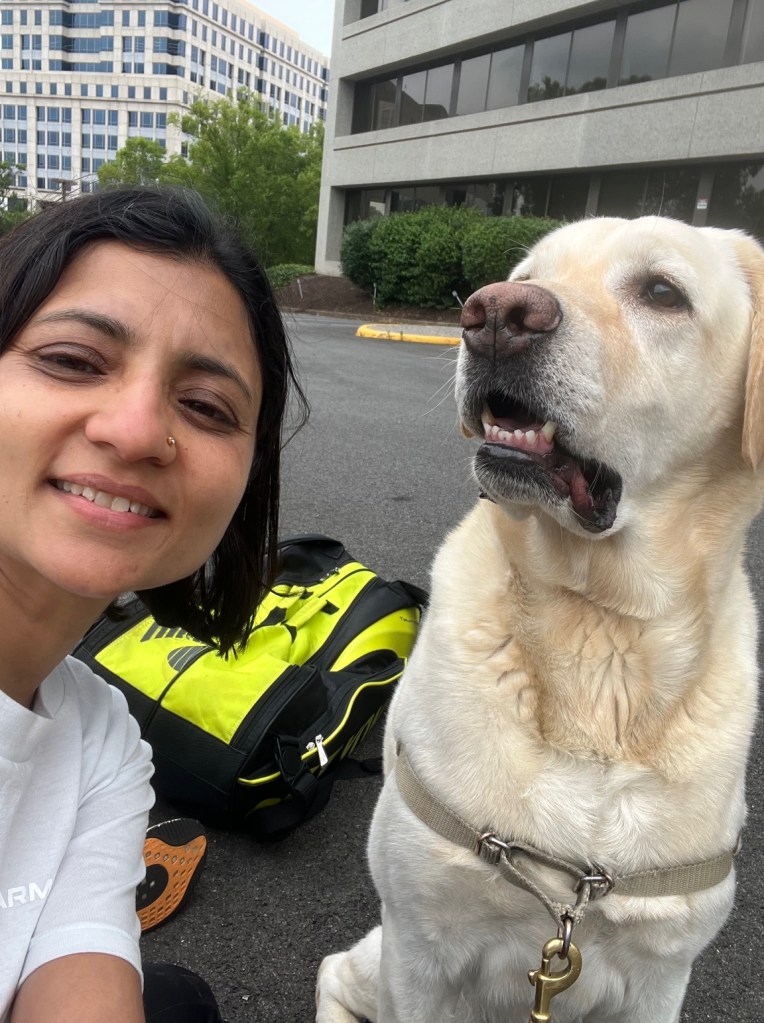
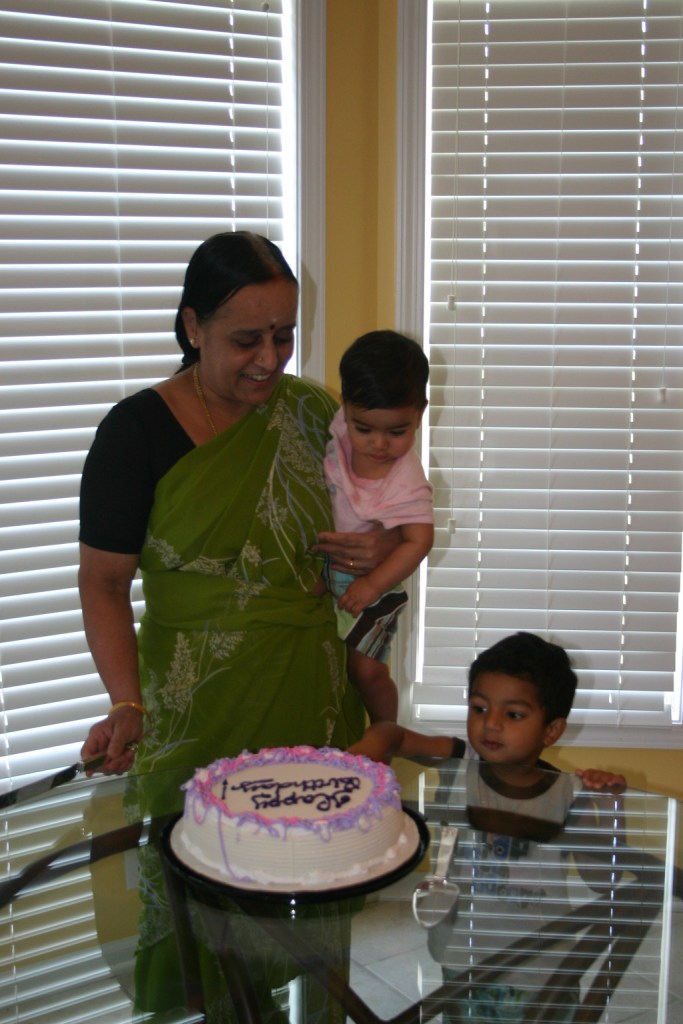


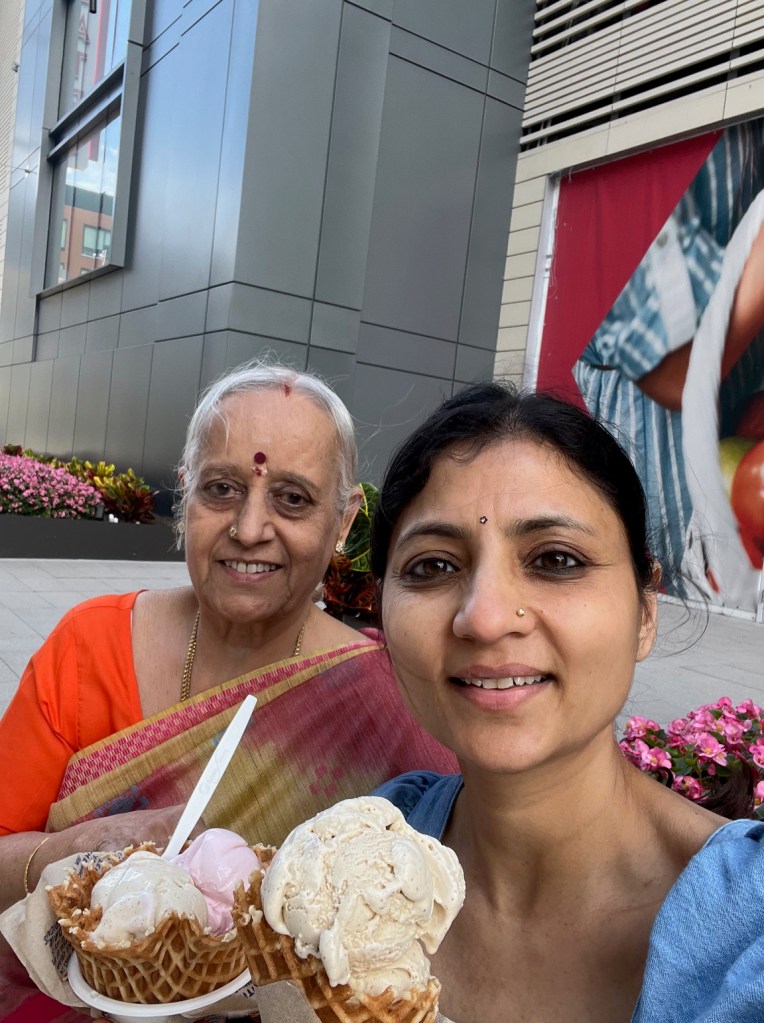



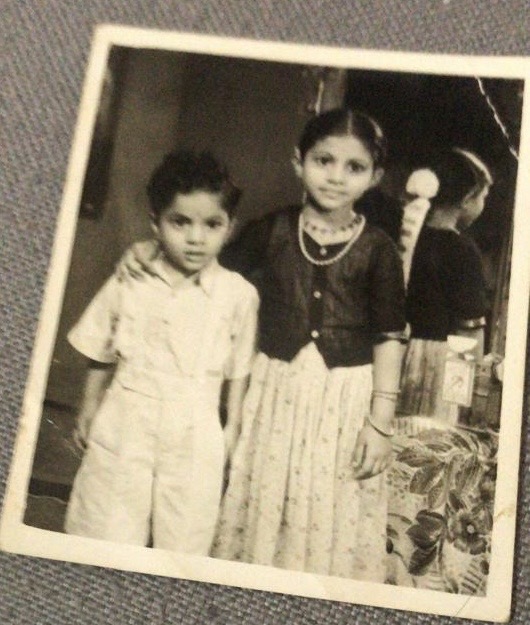


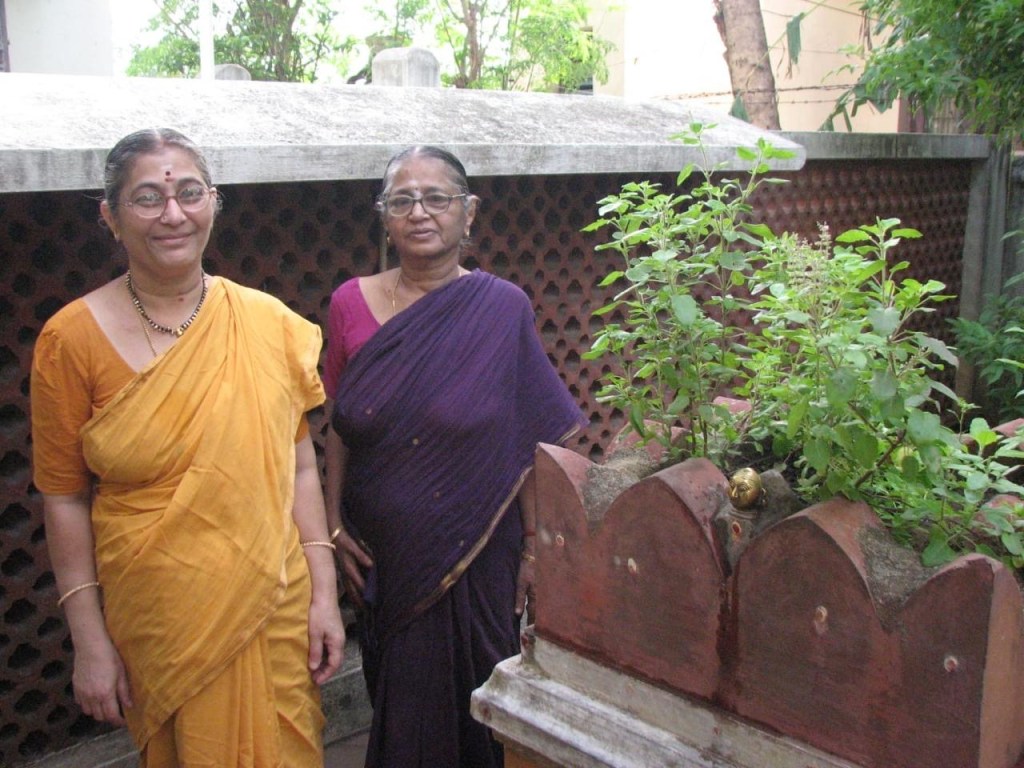




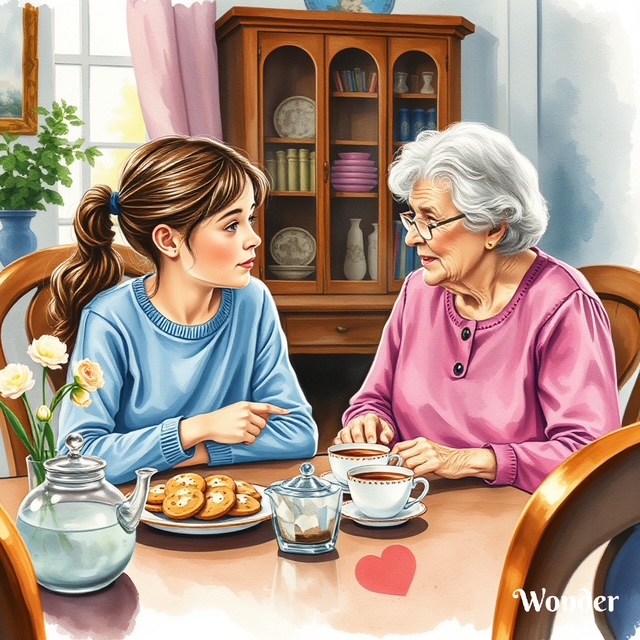




 lotusheartgrateful.com