The reason for me to write these reflections and share them is my way of reaching with the outer world, perhaps in a way that feels safe for me.
Working from home since Covid has in a way disconnected me from the outside world and socializing. Moving to a new place prior to Covid didn’t help either – the isolation of Covid amplifying the challenge of building new connections. Even before, I have been this reserved, someone who can easily connect deeper one-on-one, rather than in a group. It has come from some challenging trauma around school bullying and people.
I have come a long way taking care of myself – physical fitness, health, mental health, routine practices like meditation, being in nature. Through these practices and therapy, I’ve found peace in solitude, even learned to embrace it deeply. Yet there’s a part of me that longs to be around people – not in large groups, but in meaningful connections.
This morning brought a realization I hadn’t expected: I don’t feel safe around people I don’t know, especially when I need to meet them physically and regularly. This understanding explains why I haven’t joined or have not continued any in-person classes recently – yoga, art, or community groups. Perhaps it’s the fear of getting hurt again, or maybe something deeper I’m still trying to understand. It’s strange because I used to regularly participate in group activities before – volunteering at a hospice, working in homeless kitchens, being a community teacher. But especially since moving and through these Covid years, I’ve felt paralyzed around people. It’s daunting.
While my therapy and meditation practices have helped me heal so much from my depression, find my cheerful self and in fact made me happier than I have ever in my life, there’s a part of me that is still hurting and not open to embrace the goodness of socializing in a way that speaks to me, to feel safer inside beyond the people, environment that I am used to.
Writing this down feels healing somehow. At this moment, I offer a prayer to our Creator to help with continuing my healing journey, to be replaced with Love from Him.
Being aware is the first step, isn’t it? I can feel it – this understanding is already part of the healing. I know I’ll move through this phase too, just as I’ve moved through others before it.
Somewhere above the Indian Ocean, Vaidehi reached for her journal, its pages filled with her dreams and reflections. At thirty-nine, she was finally going home – not just for a visit, but for good. With a smile, she began to write:
February 5, 2018
The morning light streams through the airplane window, and for the first time in nineteen years, I feel completely at peace. No more counting days until my next visit, no more hurried video calls trying to bridge the distance.
All these years, the short visits and the video calls showed me so little of their lives. I have felt heartache and unease every time I realized that they have become weaker, older. The grey in Appa’s hair, the slight tremor in Amma’s hands – changes I should have witnessed gradually, not in sudden snapshots. But that ends today. No more watching them through a screen, no more carefully worded answers meant not to worry me.
I find myself thinking about privilege lately – not just the kind that comes from education and bank accounts, but the rare gifts of having parents who dared to be different.
Despite the cultural pressure to have more children, especially a son, my parents chose to pour all their love into raising their daughter. While many girls were told to limit their dreams, my Appa believed education and one’s passion was one’s sacred right.
These nineteen years in America have taught me much about child psychology and education, but my deepest lessons came from home itself. I learned about community from watching Amma and other women making vathal and appalam together, sharing life’s burdens through simple acts of togetherness. I learned about service from Appa, who turned our modest home into an evening tuition center, believing that knowledge should be accessible to all.
Now it’s time to bring these lessons full circle. My immediate dream is to teach children to understand themselves better using the methods I have learned in America, and from my personal experiences. I want to create spaces where every child feels seen and heard. And perhaps someday, when the time is right, this could grow into something more – my own small school where these values and teaching methods could truly take root. But first, and most importantly, I want to be there for Amma and Appa. To return even a fraction of the care they’ve given me. For now, my heart feels content knowing by tomorrow, I’ll see Appa Amma and live with them for the rest of our lives in my childhood home.
With these final words, Vaidehi gently closed her journal and looked out at the clouds below. A mixture of emotions washed over her – peace at finally heading home for good, happiness at the thought of being with her parents, and yes, that flutter of anxiety about beginning anew. She closed her eyes, and took a deep breath, feeling her shoulders relax. ‘Everything is fine now’, she whispered to herself.
Her thoughts drifted to her spiritual journey, so different from the traditional path she was raised in. Growing up in the shadow of Sri Ranganathaswamy temple, she had loved the rituals, the festivals, the sense of community – but her own connection to the divine had always been more personal, quieter. She found God in the early morning silence, in acts of kindness, in the peace of meditation, in the joy of teaching. To her, she felt closest to God, the universal Father-Mother, the source of all creation, beyond the rituals and the boundaries of religion or tradition.
She had kept these thoughts mostly to herself, knowing her parents found such deep comfort in traditional practices. It wasn’t that she rejected their ways – she simply found her own path to the divine. Some differences, she had learned, could remain lovingly unspoken, wrapped in the deeper understanding that all paths lead to the same light.
Now, returning home, she felt a deep connection in the simplicity of her purpose – to live in her ancestral home, to care for her parents, to accompany them to the temple they loved, and to share love with the children just as her parents had done. She would help young children realize it is okay to dream differently and find their own path.
After several hours, the plane banked gently, and as the first glimpse of the Indian coastline appeared through the clouds, Vaidehi smiled with a certainty she hadn’t known in years.
Chapter 2 – Return to East Chithirai Street
The taxi wound through the narrow streets of Srirangam. The sounds of Tamil movie songs echoed through the speakers on the street corners, mixing with calls of busy street vendors. The taxi took a sharp left and passed the familiar government higher secondary school where children in blue and white uniforms still poured out of the gates just as they had in her time. A little further down, the St. Josephs convent school’s distinctive yellow walls came into view.
As the taxi turned onto East Chithirai street, memories flooded back – walking these routes with Amma to school, stopping at the corner for kulfi ice cream. As familiar landmarks passed by, Vaidehi’s mind wandered to the home awaiting her. In her mind’s eye, she could see their home’s distinctive red oxide floors (kaavi tharai), always cool even in harsh summers. The mutram, their central courtyard, collected rainwater in the monsoons and moon light in the Pournami nights.
She could almost smell the morning rituals of her childhood – the sharp freshness of camphor from Appa’s early prayers, the sweet incense from their small puja room, mixing with the earthy scent of wet floors as Amma drew her intricate kolams. Every morning, without fail, her mother would wash the front entrance of their home, a ritual as sacred as prayer itself. The kolam-making that followed was more than art – it was her mother’s daily offering to the universe. First, the careful sprinkling of water to clean the floors and settle the dust, then the rhythmic flow of rice flour between practiced fingers, creating patterns that welcomed prosperity while feeding tiny insects and ants. “When we honor the space, we live in,” Amma always said, “we honor all forms of life that share it with us.”
These memories washed over her as divine songs reverberated in the atmosphere – traditional nadhaswaram music floating from the temple. Flower vendors selling jasmine and marigold lined the streets. Vaidehi’s lips parted with a smile as she lowered her window, letting the familiar fragrances flood in. Just a few more turns and she would be home.
Vaidehi’s heart quickened as the taxi turned into the Agraharam – this ancient neighborhood that wrapped around Sri Ranganathaswamy temple like a protective garland. These narrow streets had witnessed centuries of life, from the times when the kings gifted this land to the temple Brahmin community.
“Stop here,” she called to the driver., her eyes immediately drawn to the intricate kolam outside their house. The traditional rice flour design was enhanced with pink, yellow, and green, creating a welcome message more eloquent than words.
Stepping out and wrestling with her two large suitcases, she noticed the familiar brass bucket with water and copper mug by the doorstep – the age-old reminder to wash the feet and hands before entering the home, signifying entering one’s home is by itself a sacred act. Before she could reach for the mug, a warm voice called out. “Vaidehi! Vandhacha?” (You’ve come?)
It was Malathi Mami from next door, her face lighting up with joy. Within moments, other neighbors emerged from their homes, drawn by the sound of her arrival. As she quickly washed her feet, remembering Amma’s words – “Our home is our temple, kanna. We enter it with pure hearts and clean feet.
“Amma! Appa!” she called out, and there they were – her parents appearing in their doorway, her mother’s eyes already brimming with tears. As Appa helped with her luggage, his hands trembling slightly, the reunion became a blur of tears and smiles, of Amma’s tight embraces and Appa’s trembling hands on her head blessing her.
Once the neighbor’s warm greetings subsided and her bags were settled inside her room, the family fell into their familiar evening routine. Yet, Vaidehi noticed the familiar sadness in her parent’s eyes when they thought she wasn’t looking. She recognized that look – the weight of unspoken concerns about their unmarried daughter.
Later, as Amma served filter coffee in the old brass tumblers, her hands lingered a moment too long while passing the cup. “You look thin, Kanna,” she said, her voice carrying years of carefully contained worry.
Vaidehi covered her mother’s hand with her own. “I’m fine, Amma. Really.” She meant it this time, unlike those first dark years after her divorce when ‘fine’ had been a shield against their worry. Five years of marriage to the man they had chosen – a marriage that had crumbled under the weight of betrayal and emotional abuse – had taught her that some kinds of loneliness were far worse than being alone.
“If only you had someone… a child, a companion…” Amma’s voice trailed off.
“Then there would have been three broken hearts instead of one,” Vaidehi replied gently. “Sometimes what seems like our biggest regret is actually our greatest blessing.”
She watched her father in his familiar spot by the window. She knew he carried his own burden of guilt about the marriage he had arranged. “Appa” she said softly, “You taught me to dream. To believe in myself. That’s what helped me survive, what helps me thrive now.”
“But after we’re gone…” Amma began.
“I have plans, Amma,” Vaidehi said, her voice stronger now. “Teaching… Maybe someday, when the time is right, I might even start my own small school. And yes, perhaps adoption too – giving a child the same love you both gave me. And.. maybe someone will come into my life naturally, organically. But this time, it will be on life’s terms, not society’s.”
In the small puja room, Anandan folded his hands before Lord Narayana’s picture. “Avar parthipaaru,” he whispered (He will take care of her). Tonight, these words carried not just worry, but also a father’s gradual acceptance of his daughter’s different path.
Later, Vaidehi found him alone in the mutram. “Appa, my meditation practice, my work – they give me peace. Real peace. Not the kind we pretend to have to make others comfortable.”
He nodded, understanding in his eyes. “You were always different, Vaidehi. Stronger than we knew.” He smiled looking at Vaidehi, and gently touched her cheeks, assuring her that he was okay and trusted his daughter’s decision. The evening bells from the temple rang in the distance, as if affirming their quiet understanding.
After saying goodnight to her parents, Vaidehi settled into her childhood room. The familiar space felt both comforting and new, like everything else about this homecoming. She changed into her nightclothes and sat cross-legged on her bed, opening her journal – a practice she had maintained for years now. She picked up her pen and began to write:
February 6, 2018
First day back home. Strange how familiar everything feels, yet different. Seeing Amma and Appa at the doorstep today – I hadn’t realized how much I’d missed their faces until that moment.
Amma’s concerns about me being alone don’t trigger me anymore. A few years ago, I would have been defensive and angry. It’s remarkable how our experiences change us. I feel grateful to attend the therapy sessions to help me understand my anger, my emotions. I feel grateful to practice meditation that has helped me to distance myself from what I am experiencing. I can empathize with Amma now, I see her worry comes from love.
I was so different when I left this house. So rigid, so sure about everything. The divorce changed a lot in me. Taught me life isn’t simple, people aren’t either.
Seeing Malathi Mami today brought up old memories. The way they’d compare Vishnu with me – him being labeled “average,” while I was the “model student.” I remember feeling uncomfortable during those conversations but didn’t understand why then. I just smiled, being secretly proud. Now I wonder how Vishnu is doing. Did those constant comparisons affect him the way I see it affecting children I counsel? Those grades we obsessed over mean nothing in life’s bigger picture.
Being the “perfect student” didn’t prepare me for real life. Didn’t teach me how to handle betrayal or rebuild myself after my marriage ended. I had to learn that the hard way.
Working with traumatized children opened my eyes. I see now how I was affected too – that need to be perfect, to be the best. The anger I carried for not seeing the signs sooner in my marriage, for not having the courage to follow my gut initially.
It took a lot to make this decision to come back. I’m grateful for these years of working on myself. The journey hasn’t been easy, but it has transformed me. I want to pay forward the privileges I’ve had – loving parents, education, the opportunity to be independent and to be self-sufficient. The teaching position at Sri Vivekananda School feels right. I want to help children understand themselves better, something I wish someone had taught me, Vishnu, and many of my other friends.
I will continue to work on my book about mental health in education after I settle in.
For now, I am just glad to be home.
Vaidehi closed her journal and placed it on her desk. She spread the cotton blanket on her bed, wondering if jet lag would let her sleep.
Vaidehi’s mother walked into the room with a glass of hot milk. “Drink this, kanna,” she said. The familiar aroma of pepper, cardamom and turmeric with a hint of sugar brought back childhood memories. Every night without fail, Lakshmi would give her this sleep-inducing home remedy.
“You remembered, Amma.,” Vaidehi smiled, taking the glass.
“How can I forget? You couldn’t sleep without it.” Amma smoothed the blanket and sat by her bedside.
As Vaidehi sipped the comforting drink, she felt her body relaxing. The jet lag didn’t stand a chance against this familiar comfort.
‘Sleep well, kanna,’ Amma whispered after taking the glass from her, and closed the door softly behind her.
Vaidehi felt her eyes growing heavy, jet lag no match for the comforts of home.
Chapter 3: The Taste of Home
The first rays of sunlight filtered through the east window of Vaidehi’s childhood room. Vaidehi woke up to the sounds of the temple bells and morning prayers. The familiar rhythm of steel containers clinking announced the arrival of milk at their doorstep.
After her morning shower, Vaidehi found her mother in the kitchen, the brass filter coffee setup already in progress.
The morning ritual of filter coffee was sacred in their home. Even before sunrise, Amma would begin her ceremony – measuring fresh coffee powder (a precise blend of 80% coffee beans and 20% chicory that gave the decoction its distinct character) into the brass filter’s upper chamber. The slow drip of hot water through the coffee grounds extracted the rich coffee essence, which would become their morning brew.
As Amma handed Vaidehi the perfectly foamed coffee in the brass tumbler-davara, Vaidehi smiled in joy.
“I missed this coffee for so long now. Thanks, Amma.”
“American coffee never quite got it right, did it?” Amma asked with a knowing smile, watching Vaidehi take her first sip.
“Not even close, Amma.,” Vaidehi replied, savoring the perfect blend of bitter and sweet, the creamy texture of properly pulled coffee.
“Wait here,” Amma said, disappearing into the kitchen where the whistle of the pressure cooker meant breakfast is getting ready. The aroma of fresh idli batter being steamed filled the house.
“Lakshmi, did Vaidehi eat breakfast?” Appa called out from the puja room, having finished his morning prayers.
Minutes later, Amma appeared with a plate of pillowy soft idlis, accompanied by her special thenga chutney and a small bowl of idli podi mixed with gingelly oil. “Eat while it’s hot, kanna,” she said, watching with satisfaction as Vaidehi’s face lit up at the sight of her favorite breakfast.
“Wait till you see what I’ve made for lunch.,” Amma added with a smile. Appa chuckled, happily watching his daughter savor each bite. These simple moments, Vaidehi realized, were what she had missed most in America – the taste of love in home-cooked meals, the quiet joy in her parents’ eyes.
Mid-morning brought a surprise visitor – Raman Mama, her maternal uncle, who had always been more like a second father.
“Vaidehi, yepadi ma irukka?” he greeted her warmly, his face brightening with genuine pleasure at seeing his niece. As they caught up on family news and memories, the delicious aroma of Amma’s cooking drifted from the kitchen, promising a feast.
By lunchtime, the banana leaves were spread on the floor, a practice Vaidehi had sorely missed abroad. Amma had outdone herself – golden-brown medhu vadai, crispy appalam, creamy vendakka mor kozhambu and kothavaranga paruppu usuli seasoned just right. Then came the surprise that touched Vaidehi – pineapple rasam with ginger, made exactly as she had discussed with her mother months ago during one of their phone calls. Such a small detail, remembered and recreated with love. A bowl of spiced buttermilk and semiya payasam completed the elaborate meal.
“Amma, you didn’t have to make so many dishes,” Vaidehi protested weakly, even as she delighted in each taste.
“First day home,” Amma said simply. “Everything should be perfect.”
After Mama left, patting Vaidehi’s head with a blessing, the afternoon settled into its familiar rhythm. Appa retreated for his customary nap. Amma busied herself with her post-lunch routine, humming softly as she worked.
Vaidehi sat in the mutram, watching the afternoon light create patterns on the red oxide floor. The perfect time, she thought, to share her plans with her parents once they gathered for evening coffee.
Chapter 4: A Different Approach to Education
“I have some news,” Vaidehi said, looking at her parents.
“Sri Vivekananda School confirmed my position. I’ll be teaching social studies and creative periods, and they’ve agreed to let me be a counselor too.”
“That is wonderful ma.”, Appa said happily.
She paused, then added, “This actually aligns perfectly with the book I’m working on.”
“A book?” Amma’s eyes widened with interest.
“Yes, something I’ve been writing based on my experiences counseling children, my psychology studies, and what I’ve learned about teaching with empathy. It’s about how we can make education more than just academics – helping children understand themselves and others better.”
“Tell us more,” Appa encouraged, leaning back in his chair.
“Well, take how we teach social studies. Instead of just memorizing facts and dates, what if we helped children understand different perspectives? When we study World War II, beyond battles and dates, we explore human choices. Like Chiune Sugihara, the Japanese diplomat who defied orders to save Jewish refugees. What makes someone risk everything for strangers? These discussions help children think about courage, conscience, and doing what’s right.”
Appa nodded, listening intently. Amma, however, looked uncertain. “But the syllabus…”
“We’ll cover everything required, Amma. Just in a way that encourages understanding and empathy.”
“These are such complex topics for children,” she said, still hesitant.
“They grasp more than we think”, Vaidehi assured her.
“First, we give them the historical facts. Then they reflect – what would they think about, worry about, hope for in that situation? When we studied Nelson Mandela, one student wrote letters he might have written to his children from prison. Another wrote about being a prison guard whose views changed after meeting him. Their insights were remarkable.”
“Isn’t that too heavy for them?” Amma asked.
“We handle it sensitively, Amma. Take Oskar Schindler – a businessman who initially just wanted to profit from the war but ended up spending everything he had to save his Jewish workers. Students explore what makes someone change so fundamentally? When does conscience overcome self-interest?”
Appa, deep in thought, asked “And, you think this helps them understand better than just facts?”
“Yes, because they connect emotionally with the situation. When studying environmental issues, they might write from different viewpoints – a farmer watching his land turn barren, a factory worker whose family depends on that job, a child imagining the future they’ll inherit. They share these writings in class, listen to each other’s perspectives. They learn there’s rarely just one side to any story.”
“And they’re learning to express themselves too,” Appa nodded.
“Exactly. Some prefer to present their writings dramatically, others quietly read them. We respect each child’s way of sharing.”
“But kanna, how will you handle children’s personal struggles? These days, there’s so much pressure on them.”, Amma asked with concern.
“That’s where the counseling helps, Amma,” Vaidehi explained. “I worked with many children struggling silently.”
She continued after a pause, “Like this bright fourteen-year-old girl –always scored well, very responsible. Suddenly her grades started dropping. Teachers labeled her ‘distracted,’ parents were frustrated. But when I spoke to her, I realized she was having panic attacks before exams. The pressure to maintain her ‘perfect student’ image was crushing her.”
“In my counseling sessions, I helped her understand that grades don’t define her worth. Taught her simple breathing techniques, ways to handle anxiety. Most importantly, created a safe space where she could talk about her fears without judgment.”
“Tell us more, Vaidehi”, Appa asked.
“There was this twelve-year-old boy avoiding school, claiming stomach aches every morning. Classic anxiety symptoms. Turned out he was being excluded by his friend group. He felt completely alone. So, we worked on building empathy in the whole class. Started a buddy system, had group activities where everyone had to work together.”
Appa sighed, “These children today face so many pressures.”
“Yes, and sometimes they don’t need solutions right away. They just need someone to listen. Like the girl whose parents were divorcing – she didn’t need advice, she just needed space to process her feelings through art therapy. Or the boy who lost his grandmother – we created a memory book where he could write letters to her, share his grief safely.”
“I want them to understand that every person’s journey is unique. There is no single right way to grow, to learn, to be.”
“Meditation and self-reflection help a lot to create self-awareness. A minute of quiet reflection helps students to center themselves. Children can regulate emotions better when they practice self-awareness, by noticing where in the body they feel different emotions. Or having them write about a time they felt angry versus a time they felt peaceful. It’s about making them aware of their inner world.”
“Vaidehi, this is important work. We are so proud of you.”, Amma smiled with pride.
“It’s good and important to give back to the community. How wonderful it is you get to do this through your job!”, Appa beamed.
Vaidehi smiled. “You both have shown me the beauty of giving in your own quiet ways.”.
After a pause, Vaidehi added.
“Appa, I would like to start evening tutoring sessions when summer break begins, I need help finding a space. I plan to teach mathematics and social science.”
Appa face lit up. “I could help with the mathematics,” he offered. “These children need strong fundamentals.”
“The old library space might be perfect for this,” Amma suggested practically. “It’s close by, and many families who know your father used to teach there.”
“That’s wonderful, Amma.”, Vaidehi smiled.
“One step at a time,” she said softly, assuring herself.
A comfortable silence settled between them.
“Shall we go to the temple?” Vaidehi asked, rising from her seat. “It’s been so long since I walked there with both of you.”
“Let me just change into another sari,” Amma joyfully said, already heading to her room.
Appa folded his newspaper with a smile. “We missed going to the temple without you, Kanna. I am so happy you are home with us now.”
As they walked together through the familiar streets – Vaidehi in the middle, her parents on either side – the temple bells began their evening song. Tomorrow would bring new beginnings but tonight was about these precious moments – walking to the temple with her parents, just as they had done countless times before.
My mother’s aunt, Meenatchi Avva, was the quintessential grandmother figure who inspired me in my childhood formative years. She came to live with us in her 80s, bringing with her a quiet strength and wisdom. Petite and unassuming at first glance, her rounded frame belied how effortlessly light on her feet she actually was. With her stark white hair, porcelain complexion, and a slow, deliberate gait owing to her deeply bowlegged legs, she embodied both grace and resilience. She combed her hair neatly and tied it back into an effortless bun. Her skin bore wrinkles of time, but her smile and mischievous sparkling eyes hinted at a youthful exuberance.
Married at 13 – a common practice then – Avva often reflected her love for learning and how her husband supported her independence. This rare dynamic for their time deepened her belief in personal choice, a value she carried into every aspect of her life. His unwavering support allowed her to pursue passions like Carnatic singing and attending drama shows, deepening her belief in personal freedom. This mutual respect in her marriage shaped her conviction that women should live by their own choices. When she shared about her married life, I could see how passionately she loved her late husband.
What truly set Avva apart was her graceful blend of dignity and humor. She exuded warmth and positivity that was utterly contagious. Her presence brought an aura of calm and purpose. I have never seen her complain or use harsh words or speak ill of others behind their backs. She commanded respect without asserting authority and infused lightheartedness into everyday life through witty songs and faint sarcasm. She often sang songs with playful twists, masking hidden meanings behind a knowing smile. I still remember when she subtly teased a family friend – recently remarried and living with two wives – through a cleverly altered song, leaving my mother and me stifling our laughter once we caught on.
Her quite confidence, strength and humor made it natural for me to gravitate towards her.
For me, as a young teenager, her influence was transformative. I often confided in her, sharing my frustrations about family culture, misogynistic attitudes and what I felt were unfair practices. While I debated with her about feminism and women’s rights, she taught me the wisdom of choosing the right time to express strong emotions. Though I challenged her views on timing my expressions of frustrations, I now see the wisdom in her advice to speak when emotions are calm, and the moment is right.
Yet, our conversations weren’t always serious – we giggled over college stories, and she playfully would ask what kind of man she should find for me. I’d confidently say, ‘Not a doctor, and someone who lives far away.’ She would chuckle, ‘Far? How far?’ and I’d shrug, ‘Just far from home.’ It was my youthful yearning for independence, spoken aloud to someone who understood.
Avva and I slept together in the afternoons in the prayer room on the floor. At times, she would allow me to put my hands and legs on her while sleeping and would gently pat me to sleep. I did not remember having a close relation with either of my parents’ mothers but felt very fortunate for her to fill that role for me.
Avva fit seamlessly into our family, and it was evident she adored living with us. To my mother, she was a guiding hand and a source of empathy. To my father, whose demanding job often kept him away, she became a symbol of the mother he had lost. Their morning coffee conversations were filled with lighthearted exchanges, and Avva even playfully defended my mother in their debates, bringing a balance to our home.
While Avva’s presence brought comfort to our entire family, it was in her personal rituals that her true essence shone brightest. These daily practices weren’t just routines; they were the quiet manifestation of how she moved through life – with purpose, grace, and an unwavering sense of self.
Each morning, she began her day in quiet devotion yet never expected anyone else to follow her routines. Her daily rituals mirrored the balance she maintained between tradition and independence.
Every morning before sunrise, Avva quietly began her day with a bath and personally washed her clothes, refusing help despite the household maid. Using a long wooden stick, she hung them on the ceiling rack in the prayer room. The room, cool with red granite floors and lined with deity images, became her sanctuary. Lighting the oil lamp, she carefully placed fresh garden flowers before the gods. Only after completing her prayers and sharing prasadam would she rejoin the household, grounded and ready to engage with us all.
Though deeply traditional, Avva never imposed her beliefs on anyone. This quiet respect for individual choices mirrored my own discomfort with being pressured to conform. Her presence affirmed that one could stand firm in personal beliefs without expecting others to follow suit. It was a silent lesson in living authentically. Avva’s quiet strength and deep respect for individuality enkindled in me the courage to make my own choices. She taught me that independence isn’t about rejecting tradition but about living truthfully and allowing others the freedom to do the same. Her life was a beautiful balance of devotion and freedom – one I strive to embody every day.
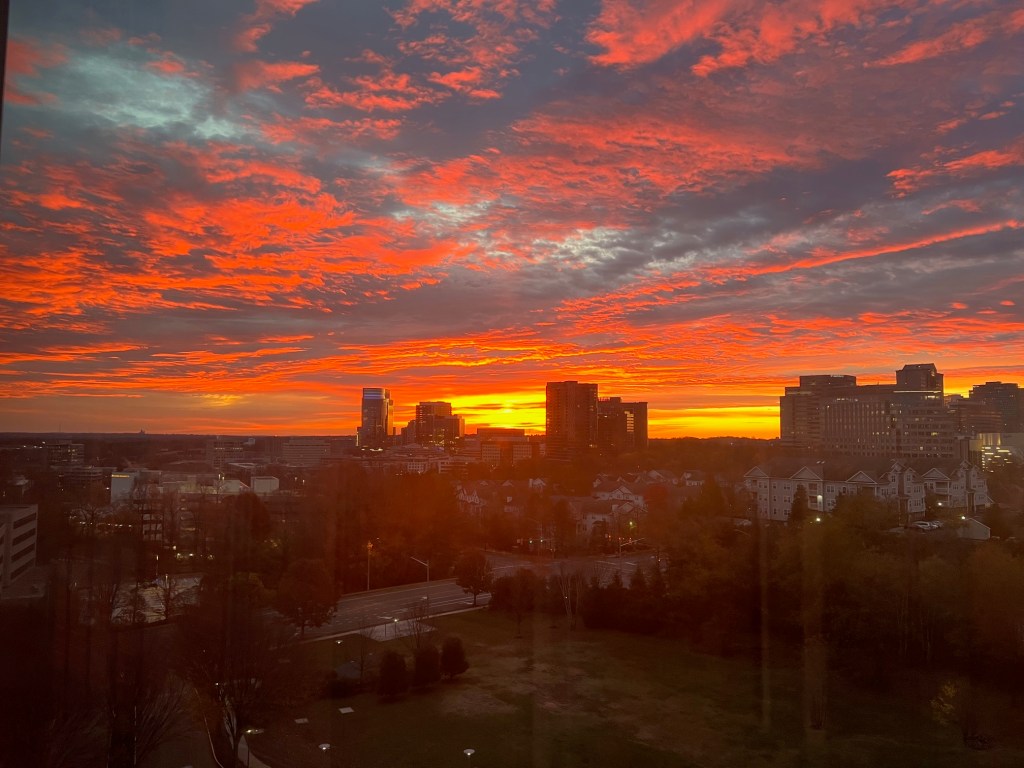
The sky bursts into magnificent shades of orange and red, like flames dancing across the clouds. City buildings stand dark against the brilliant sunrise, their silhouettes sharp and strong. Against this stunning backdrop, Ann stands at her balcony with her precisely made coffee: two specific spoons of instant coffee from different brands, mixed until they create the perfect foam and topped with exactly half a cup of frothed almond milk. These careful rituals have become her anchor in a world that feels increasingly overwhelming.
Nature’s Messengers
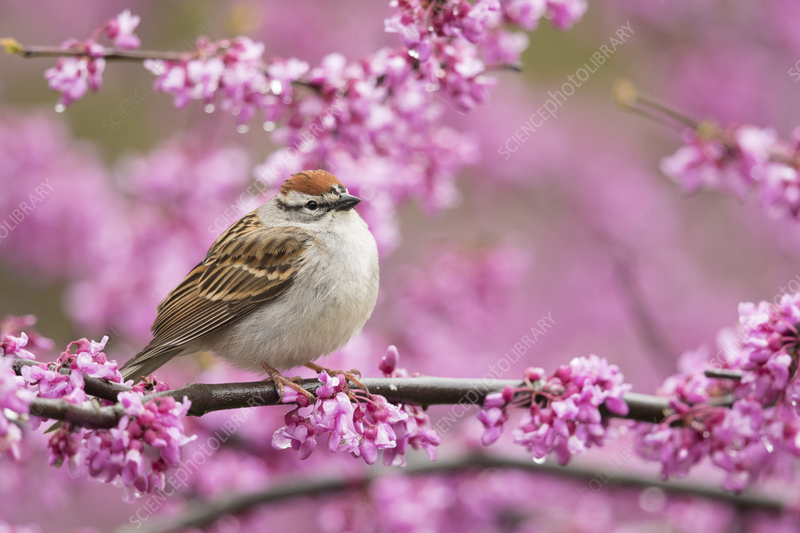
On the Eastern Redbud tree overlooking her balcony, four of God’s messengers gather as they do every morning. Their daily ritual of watching over Ann has become their own sacred practice.
“Another beautiful sunrise,” Zeo, the yellow butterfly with blue stripes, whispers as she settles on a branch. “Each new day is a chance to share God’s love.”
“Ann seems more tired today,” Pip the sparrow observes gently, tilting his head. “I’ll sing an extra sweet song this morning – sometimes a single note of joy can lift a heavy heart.”
“We must be patient,” Luna, the grey moth, shares from her quiet corner. “Just as God waited for me to understand that beauty exists in darkness and light, Ann will find her way. Until then, we’ll keep her company in our own ways.”
Rio, the hummingbird, pauses between visiting flowers. “Every bloom I touch is a prayer,” she hums. “Each flower blossoms exactly as God created it – offering its unique gifts with joy, whether it’s color, fragrance, or sweet nectar. They don’t compete or compare; they simply bloom and share God’s love in their own perfect way.”
The Silent Watchers
They watch as Ann puts on her noise-canceling headphones, blocking out their messages of hope. Yet they remain faithful to their purpose, these small angels in nature’s garden. Her golden lab, Tuffy, shares their mission in his own way. During their walks, while Ann hurries along with her headphones firmly in place, Tuffy feels the grass beneath his paws, catches the scent of morning dew, and notices every squirrel and butterfly. He never grows impatient with her hurried pace; he simply keeps offering these moments of joy, trusting she would notice when she’s ready.
The Awakening
Then one morning, halfway through their walk, Ann’s headphones die unexpectedly. The sudden silence feels like a shock. Frustrated, she removes them, and that’s when Pip sees his chance. He flies closer than usual, singing the song he’s been practicing just for her.
“Listen,” he seems to say, “God’s love is in every note.”
For the first time, Ann really hears the chorus of morning songs weaving through the air. She finds herself smiling, surprising herself. She notices the way sunlight filters through leaves, the gentle sway of trees in the morning breeze, the different pitches of birdsong.
The Journey Begins
The next day, though her headphones are fully charged, she finds herself removing them halfway through her walk, curious to hear the birds again. Walking along the trail, she finds comfort in the gentle presence of trees lining both sides of the path. Beneath their canopy, she feels her shoulders relaxing, her steps becoming lighter. She notices how the morning light filters through the leaves, creating patterns that dance with each breeze. Something about being among these quiet giants brings a peace she hadn’t known she was missing.
Each day, she starts looking forward to these moments of quiet discovery. What begins as a simple week-long experiment slowly changes something deep within her. Walking among the trees, she feels a subtle energy, as if their very presence is nurturing her spirit back to life.
The Transformation
Gradually, Ann’s carefully structured routines begin to soften. Her morning coffee ritual remains, but instead of immediately reaching for her headphones, she finds herself lingering on the balcony, watching the day unfold. From their branch on the Redbud tree, the four divine friends watch her transformation with joy.
“See how she notices the small things now,” Zeo flutters with excitement. “Just as God’s love appears in unexpected moments.”
“She’s learning to be still,” Luna observes. “Like how evening shadows teach us that rest is also part of God’s plan.”
“And look how she takes time with each flower now,” Rio adds, “finding sweetness in the present moment, just as God intended.”
Finding Joy
Pip’s morning songs become Ann’s natural soundtrack, more soothing than any musical album. The hummingbird’s focused dance among her flowers shows her how to be present in each moment. Her evening walks with Tuffy change too. She begins to match his unhurried pace, letting him stop to investigate interesting smells, watching how he approaches each moment with fresh curiosity. She begins to appreciate Tuffy’s innocence, unconditional love and finding joy in the simplest moments. The setting sun paints the sky in soft colors, and sometimes Luna flutters past, reminding her that beauty exists in all forms, at all hours.
The Inner Voice
One morning, as Zeo makes her daily visit, Ann realizes something has shifted within her. The heavy feelings haven’t disappeared entirely – they’re part of her journey – but they no longer feel like walls closing in. Instead, like the butterfly that returns despite rain or wind, she has found a quiet persistence within herself.
“Each flower gives what it has,” she hears a voice deep within her heart. Each flower, each bird, each creature has its own way of sharing love with the world. No one better than another, each one perfect in its own right.
Coming Home
As days pass, Ann’s awareness deepens. She begins to realize that these creatures are more than just chance encounters – they’re messengers of divine love, each offering their unique gift. Zeo brings reminders of joy’s persistence, Pip shares songs of morning hope, Luna shows the beauty of quiet presence, and Rio demonstrates how to find sweetness in each moment.
She realizes something profound: she has never truly been alone. All along, she’s had these beautiful companions – the trees offering their steady presence, the birds sharing their songs, the flowers blooming faithfully, and even Luna appearing in the evening hours. She can talk to them, share with them, find comfort in their constant presence.
Together, they form a small choir of God’s love, and Ann has finally joined their song. Now, as she sits on her balcony each morning, coffee in hand and heart open to their presence, she hears the divine melody that has always been there, waiting for her to listen.
Each year, I attend retreats with my Spiritual Teacher, Mr.Irmansyah Effendi, who guides us through deeper meditation and spiritual practices. Several years ago, I brought to him a confusion that was tearing me apart inside. I found myself contemplating leaving my job to dedicate my life to volunteer service. I was already volunteering at a hospice and a women’s shelter alongside my full-time work, and somehow I had created this internal conflict about whether I should be doing more.
My restlessness was making me less grateful for my current job, stealing my peace. When I shared this with my Teacher, his response, delivered with a gentle smile, changed everything.
He reminded me of the simple blessing of having a job that pays our bills, allows us to take vacations, and provides a comfortable life. Then he asked me something that shifted my entire perspective: “Why separate service from your everyday life? Service isn’t something you go somewhere else to do – it’s how you live each moment.”
He explained that I could serve simply by smiling at others from the Heart, by choosing and spreading happiness in my daily interactions. Even at work, especially at work, I could choose Love and Faith in challenging situations. Service, he showed me, wasn’t about changing what I do, but about transforming how I do it.
This insight completely changed my view of life and work. I realized we don’t need to wait for special occasions to serve – our daily life itself can be our offering to the world. When we act from our Heart, from that quiet space of connection with our Creator, everything naturally becomes service. The restless urge to quit my job faded away, replaced by a deeper understanding of how to serve right where I was.
My attitude at work transformed. I began seeing my role differently – not just as tasks to complete, but as opportunities to express care and sincerity. I looked after my customers and clients with genuine concern for how my work could help them. My approach to leadership evolved naturally – I found myself caring for my team members, thinking beyond individual achievements to our collective growth. In this way, work itself became a form of meditation, a way to express love through simple daily actions.
What started as a confused yearning to serve through volunteer work became something much more profound – the understanding that service is woven into the fabric of everyday life. It’s in how we treat our colleagues, how we approach our work, how we share our smile, how we choose love over frustration in challenging moments. When we stay connected to our Heart, every action becomes an expression of love.
I’m deeply grateful to my Spiritual Teacher and our Creator for this insight. It taught me that living with an open heart doesn’t require changing what we do – it transforms how we do everything we already do.
For years, I struggled with depression and a deep sense of loneliness. I attributed my discomfort in large groups to my traumatic childhood, believing this was the sole reason I felt so disconnected when others seemed energized by company. Others would comment on my reserved nature, making me question if something was wrong with me.
I had always been someone who could spend hours simply gazing at nature. While others found it odd, I found complete peace in these quiet moments with trees, birds, and the sky. I confused this natural inclination for solitude with depression, thinking perhaps I just wasn’t interested enough in being sociable. Yet paradoxically, I felt deeply lonely – a contradiction that tore at me. How could I both cherish solitude and yearn for connection?
Living with depression was like carrying a heavy burden – the pain, the confusion about who I was, the thoughts that wouldn’t leave me alone. To escape all of this, I often filled my moments with noise – television shows playing continuously, many podcasts one after another. Anything to avoid sitting with the silence and my own thoughts.
Then came a time when something shifted through my meditation practices and the guidance of my Spiritual Teacher. I chose to step away from these distractions and simply be with myself and our Creator, moving through household tasks in quiet presence.
In this gentle time alone, I discovered something beautiful.
There’s a depth in silence with our Creator that nothing else can match. As the usual busyness fell away, a new clarity emerged. The mental fog that often clouds our days lifted, and my heart found its way more naturally to prayer and presence.
Sadness visited too, in a way I hadn’t experienced before. But this time, I stayed with it differently – sharing openly with our Creator. My prayers became deeper, more heartfelt, asking for help with forgiveness, both to forgive and be forgiven.
Through these prayers and silence, I began to understand something profound – the recognition that living like a hermit, even while surrounded by family, can be a blessing when lived in devotion. In this quiet space, I found myself speaking less and listening more. The usual pull toward reactions softened, making it easier to turn toward divine love instead.
In these moments, I felt myself again – perhaps for the first time in lifetimes. It was different from anything I’ve known in this life. This feeling goes beyond belonging to a group or finding people who understand you.
I’ve finally accepted something about myself: I am someone who finds deeper connection in quieter ways. This love for solitude isn’t something to fix or change – it’s simply who I am. What matters isn’t the number of connections, but the ability to be fully myself, even if it’s with just one kindred spirit.
There are moments in life when wisdom finds us exactly when we need it most. Recently, a friend’s words on Facebook deeply resonated with me:
Everyone has a unique message that is much bigger than themselves… It is only when you put your message ahead of you that you can truly create an impact. At that point, the message itself carries you farther than you’d ever hope to go by yourself.
Reading those words, something moved within me. I’ve always felt this gentle pull in my heart to do something meaningful, to give back somehow. Even with the joy of raising my two beautiful boys and sharing life with my husband, I felt this whisper of something more.
Looking back now, I smile at how everything unfolded. Before I even knew about Reiki Tummo or attended my first Open Heart workshop, before I met my spiritual teacher – that calling was already there, soft but persistent. Like a friend gently tapping on my shoulder, waiting to be noticed.
A personal growth workshop led me to a teacher who would become a dear friend. She helped me articulate what my heart had long known, guiding me to craft my first Mission Statement and introducing me to the transformative power of service through volunteering.
Following my Heart’s calling led me to Reiki Tummo and eventually to my spiritual teacher, Mr.Irmansyah Effendi.
Looking back, I see how each step was divinely orchestrated. The Creator’s love manifests in remarkable ways – when we hear His plans in our hearts and embrace them wholeheartedly, He illuminates the path before us.
These days, when I’m out there following what my heart calls me to do, something beautiful happens. I feel so close to Him, like a child wrapped in their parent’s love. All those worries that usually buzz around in my head just… fade away. Joy bubbles up from somewhere deep inside. I feel loved, completely and totally, and that love just spills over into everything I do.
This journey has taught me that our truest purpose often lies in surrendering to something greater than ourselves. When we align with our heart’s message and let it guide us, we become channels for a love that transforms not only our lives but touches countless others.
In the end, perhaps that is the greatest gift of following our heart’s message – the discovery that in giving ourselves to something larger, our small self naturally dissolves into a boundless peace that knows no limits.







 lotusheartgrateful.com